


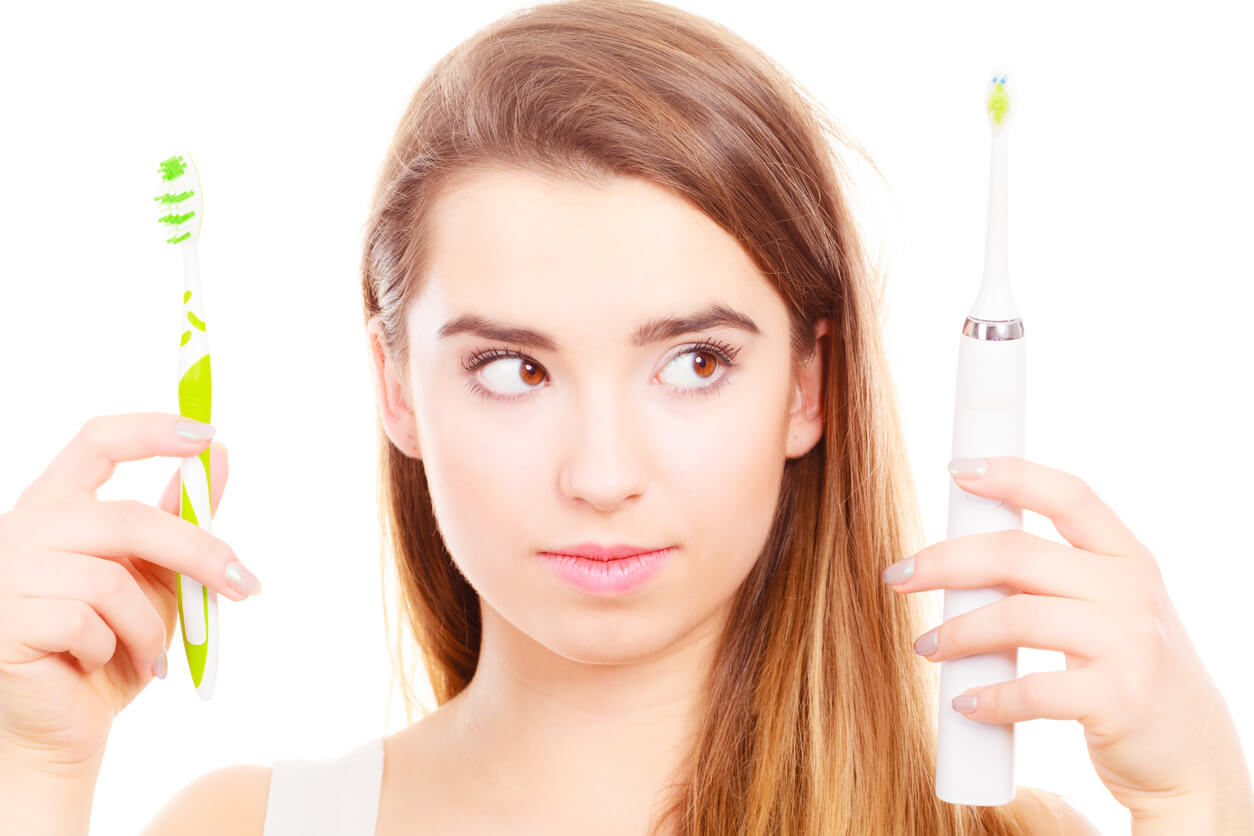
Ever stood in the dental care aisle, overwhelmed by the countless toothbrush options? You’re not alone. The choice between electric and manual toothbrushes isn’t just about personal preference – it’s about what will truly keep your smile healthy for years to come.
At My Dentist at Morgan Creek, we’ve seen firsthand how the right toothbrush can transform oral health. According to experts, proper brushing technique is crucial regardless of toothbrush type, but certain tools may give some patients an edge in their dental care routine.

Whether you’re considering making the switch from manual to electric, or simply wondering if your current choice is serving your smile well, this comprehensive guide will help you make an informed decision about the most important tool in your daily oral care arsenal.
The Fundamental Role of Brushing
Regardless of the type of toothbrush you choose, the act of brushing is foundational to healthy gums and teeth. Proper brushing helps prevent various problems such as tooth decay, gum disease, and bad breath. Of course, we also recommend using a fluoride toothpaste as it can help strengthen your enamel and prevent decay.
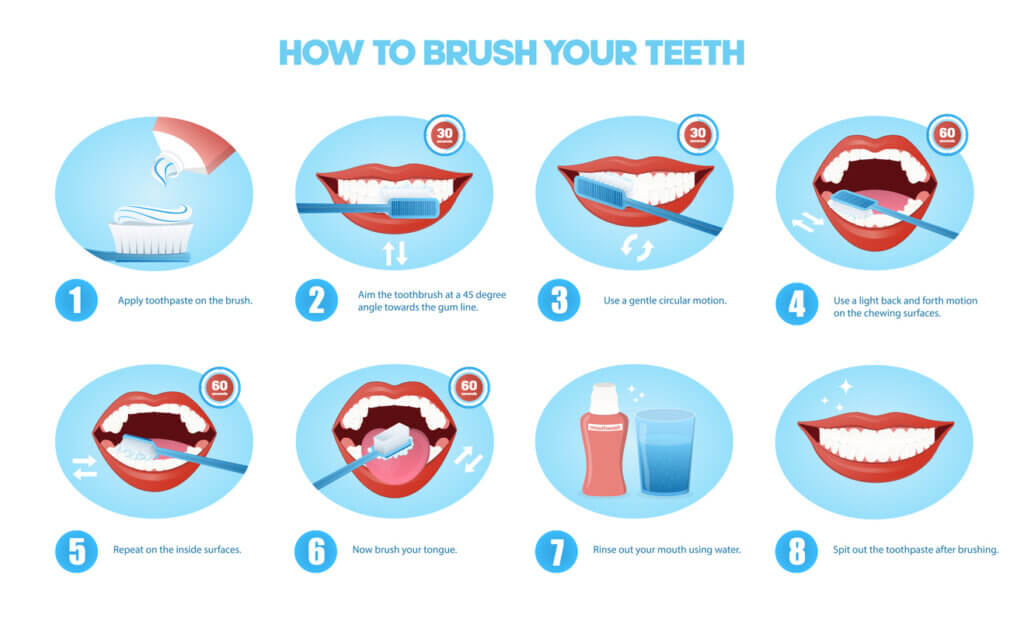
On numerous occasions, we’ve mentioned that you should brush your teeth for at least two minutes using gentle circular motions, and making sure to cover all surfaces, including the front, back, and chewing sides. It’s also important to brush your tongue, as it can harbour bacteria that cause bad breath. Ideally, you should brush twice a day, in the morning and before bedtime. However, be mindful of brushing immediately after consuming acidic foods or beverages like citrus fruits, soda, or wine, since if you don’t wait 30 minutes to an hour for your saliva to neutralize the acid, you can weaken your tooth enamel. Remember, regular and proper brushing is a key component of maintaining good oral health.
The Basics: Manual vs. Electric Toothbrushes
When it comes to your daily dental care routine, understanding the fundamental differences between manual and electric toothbrushes is essential for making an informed choice. These two options represent distinctly different approaches to oral hygiene—one relying on your personal technique and effort, the other leveraging technology to enhance the brushing experience.
Manual Toothbrushes: The Tried and True Classic
Manual toothbrushes have been used to maintain our oral hygiene for generations. These familiar tools require no charging, batteries, or special maintenance.
Key Features of Manual Toothbrushes:
- Bristle Types: Soft, medium, or firm (dentists typically recommend soft)
- Head Size: Regular or compact (smaller heads can reach back teeth more easily)
- Handle Design: Traditional, ergonomic, or flexible
- Bristle Pattern: Flat, rippled, or contoured to tooth shape
Manual toothbrushes rely entirely on your technique and effort to clean effectively. The proper manual brushing technique involves gentle circular motions at a 45-degree angle to your gumline for at least two minutes.
Electric Toothbrushes: Technology for Your Teeth
Electric toothbrushes use battery power to move the brush head automatically. There are two main types:
- Sonic Toothbrushes: Vibrate at high frequencies (up to 31,000 brush strokes per minute)
- Oscillating-Rotating Toothbrushes: Feature round heads that rotate in one direction and then the other
Key Features of Electric Toothbrushes:
- Brushing Modes: Many offer various settings for sensitivity, gum care, whitening, etc.
- Timer Functions: Built-in timers that ensure you brush for the full recommended two minutes
- Pressure Sensors: Alert you when you’re brushing too hard
- Smart Features: Some connect to apps that track brushing habits and provide feedback
Effectiveness: What Science Tells Us
When it comes to plaque removal and gum health, research provides some interesting insights:
According to a landmark 11-year study published in the Journal of Clinical Periodontology in 2021, electric toothbrush users had:
- 22% less gum recession
- 20% less tooth loss
- Overall healthier gums compared to manual toothbrush users
The Cochrane Oral Health Group’s comprehensive review found that electric toothbrushes reduced plaque by 21% and gingivitis by 11% after three months of use compared to manual toothbrushes.
However, many dental professionals emphasize that proper technique with either brush type is more important than the tool itself. A properly used manual toothbrush can be just as effective as an improperly used electric one.
Pros and Cons: Making Your Decision Easier
Choosing between manual and electric toothbrushes involves weighing several factors that impact your oral health routine and lifestyle preferences. Understanding the unique advantages and limitations of each option will help you make the choice that best supports your dental health goals and daily habits.
Manual Toothbrushes
Advantages:
- Affordable (typically $1-$5)
- No charging or batteries required
- Portable and travel-friendly
- Available everywhere
- Allow complete control over pressure and movement
- Zero noise
Disadvantages:
- Require a proper technique to be effective
- No built-in timers or guidance
- May be difficult for those with dexterity issues
- Generally less effective at removing plaque (when comparing average usage)
- Environmental impact from disposable plastics (though bamboo options exist)
Electric Toothbrushes
Advantages:
- Built-in timers ensure adequate brushing time
- Easier for children, seniors, and those with limited dexterity
- Pressure sensors prevent harmful over-brushing
- Superior plaque removal (in most studies)
- Many find them more engaging, leading to better habits
- Replaceable heads reduce environmental impact
Disadvantages:
- Higher initial cost ($30-$300)
- Require charging or battery replacement
- More maintenance required
- Bulkier for travel
- May be too intense for those with sensitive teeth or gums
Who Benefits Most From Electric Toothbrushes?
While anyone can use and benefit from an electric toothbrush, they may be particularly advantageous for:
- People with limited dexterity: Those with arthritis, developmental disabilities, or other conditions affecting hand movement
- Children and teenagers: The novelty factor can encourage better brushing habits
- Patients with orthodontic appliances: Electric brushes can clean around braces more effectively
- Those with periodontal (gum) disease: The enhanced cleaning may help manage symptoms
- People who tend to brush too hard: Pressure sensors can prevent damaging brushing habits
Frequently Asked Questions About Toothbrushes
Q1. How often should I replace my toothbrush or toothbrush head?
Both manual toothbrushes and electric toothbrush heads should be replaced every 3-4 months, or sooner if the bristles become frayed. According to experts, worn bristles are less effective at removing plaque and can harbour more bacteria.
Q2. Is a hard or soft toothbrush better?
Soft bristles are recommended by most dental professionals. Hard bristles can damage gum tissue and wear away tooth enamel, especially if you brush vigorously.
Q3. How long should I brush my teeth?
The gold standard is two minutes, twice daily. Many electric toothbrushes have built-in two-minute timers to help ensure you brush for the full recommended time.
Q4. Are more expensive toothbrushes worth it?
Not necessarily. With manual toothbrushes, mid-range options often provide the best value. For electric toothbrushes, higher prices usually correlate with additional features rather than better cleaning performance. The basic cleaning technology in a $50 electric brush is often similar to that in a $200 model.
Q5. Do I still need to floss if I use an electric toothbrush?
Absolutely! No toothbrush, regardless of type, can replace flossing. Floss reaches areas between teeth that a brush simply cannot access.
Q6. Which type of toothbrush is better, electric or manual?
Studies often show that electric toothbrushes, particularly those with oscillating-rotating action, are more effective at removing plaque and reducing gingivitis compared to manual toothbrushes. While manual brushing can be effective with perfect technique, electric brushes provide consistent motion and often include timers and pressure sensors that help many users achieve a more thorough and consistent clean, compensating for common errors in manual brushing.
Q7. What kind of toothpaste should I use?
Always use a fluoride toothpaste. Fluoride is a mineral that strengthens tooth enamel and helps protect against cavities. Look for toothpastes with the Canadian Dental Association (CDA) or American Dental Association (ADA) seal of acceptance, which indicates they meet standards for safety and effectiveness. The flavour or specific formulation (whitening, sensitive) is often a matter of personal preference, but fluoride is non-negotiable for most people.
Making the Right Choice for Your Smile
When deciding between electric and manual toothbrushes, consider:
- Your dental needs: Do you have specific conditions like gum disease or orthodontic appliances?
- Personal preferences: Some people dislike the vibration or noise of electric brushes
- Budget constraints: Is the investment in an electric brush feasible for you?
- Environmental concerns: Consider recyclable options or brushes with replaceable heads
- Lifestyle factors: Do you travel frequently or have limited storage space?
Remember that consistency and technique are far more important than your choice of tool. The best toothbrush is the one you’ll use properly and regularly.
Expert Recommendation
At My Dentist at Morgan Creek, we generally recommend electric toothbrushes for most patients, particularly those with gum issues or difficulties maintaining proper brushing technique. The built-in timers and pressure sensors provide valuable guidance that manual brushes simply cannot offer. That’s why, as part of our “New Patient Special,” we offer a Philips Sonicare Toothbrush when you book a NEW Patient (Adult) Exam and Cleaning.
However, we recognize that a quality manual toothbrush used properly is still an excellent choice for many people. During your next check-up, we’d be happy to discuss your specific needs and recommend the best option for your unique smile.
Your Smile Deserves the Best
Whether you choose electric or manual, the most important aspect of toothbrushing is doing it thoroughly and consistently. Both types can effectively clean your teeth when used properly.
If you’ve been using a manual toothbrush successfully and have good dental check-ups, there’s no urgent need to switch. However, if you struggle with plaque buildup, have dexterity issues, or simply want to optimize your oral care routine, an electric toothbrush might be worth the investment.
Remember that your toothbrush is just one part of a comprehensive oral health routine that should include:
- Brushing twice daily for two minutes
- Daily flossing
- Regular dental check-ups and cleanings
- A balanced diet low in sugary foods and drinks
Ready to Optimize Your Oral Health Routine?
Not sure which toothbrush is right for you? Our team at My Dentist at Morgan Creek is here to help! Schedule your appointment today by calling (778) 742-5731 or contacting us online.
We’ll evaluate your specific dental needs and help you choose the perfect tools for your healthiest smile yet!