


Many parents in South Surrey and White Rock mistakenly believe that because “baby teeth” (primary teeth) eventually fall out, they aren’t as critical as permanent adult teeth. This is a dangerous misconception. In reality, these first teeth serve as the fundamental building blocks for your child’s future oral and systemic health. Primary teeth play a crucial role in your child’s development, affecting everything from their ability to eat and speak to the proper alignment of their permanent teeth. At My Dentist Morgan Creek, we’ve seen firsthand how neglecting baby teeth can lead to complications that last well into adulthood.
As South Surrey and White Rock’s trusted family dental clinic, we’re committed to educating parents about the vital importance of pediatric dental care. Understanding why baby teeth matter and how to protect them is one of the most important investments you can make in your child’s future health and confidence.
Understanding the Timeline: When Baby Teeth Appear and Fall Out
Most children develop their complete set of 20 primary teeth by age three. These teeth typically begin falling out naturally around age six, with the process continuing until approximately age 12 or 13. The lower front teeth usually come in first, followed by the upper front teeth, and the pattern generally continues from front to back.
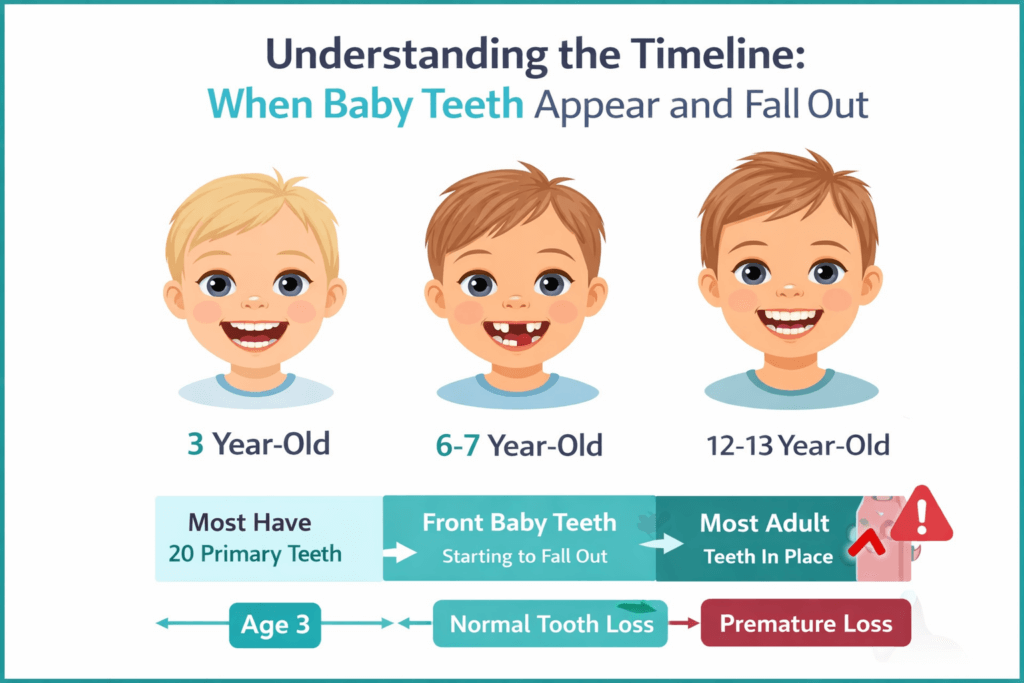
This natural timeline is important because teeth that are lost significantly earlier than expected can cause problems. While some variation is normal, losing a baby tooth more than a year before it would naturally fall out is considered premature loss and warrants a visit to your family dentist.
At My Dentist Morgan Creek, we monitor your child’s dental development throughout each stage, ensuring their teeth are erupting on schedule and addressing any concerns before they become serious problems. Our experienced team understands the normal developmental milestones and can identify when intervention may be necessary.
Placeholder Power: Guiding Adult Teeth into Position
One of the most vital functions of baby teeth is acting as a natural “space maintainer.” They hold the exact positions required for permanent teeth to erupt correctly later in childhood. When a baby tooth is present and healthy, it guides the adult tooth into its proper place.
However, if a tooth is lost too soon due to decay or injury, the “shocking truth” is that the surrounding teeth often begin to shift or tilt into the vacant space. This movement can block the path of the emerging permanent tooth, leading to severe overcrowding, impaction, or crooked alignment that often requires expensive orthodontic intervention later in life.
The Role of Primary Teeth in Speech and Nutrition
We often forget that children rely on their teeth for more than just a cute smile. Healthy baby teeth are essential for proper speech development. They help children learn to pronounce words clearly by providing the necessary structure for the tongue to press against.
Furthermore, efficient chewing is necessary for a well-balanced diet and optimal nutrient absorption. If a child has missing or painful teeth, they may avoid crunchy, fibrous, or nutrient-dense foods (like apples or carrots), which can negatively affect their overall growth and immune system.
The Shocking Consequences of Premature Tooth Loss: Bone Resorption
When a tooth, even a baby tooth, is lost prematurely, the jawbone in that area stops receiving the stimulation it needs from natural chewing forces. This lack of stimulation triggers a process called bone resorption, where the jawbone begins to deteriorate.
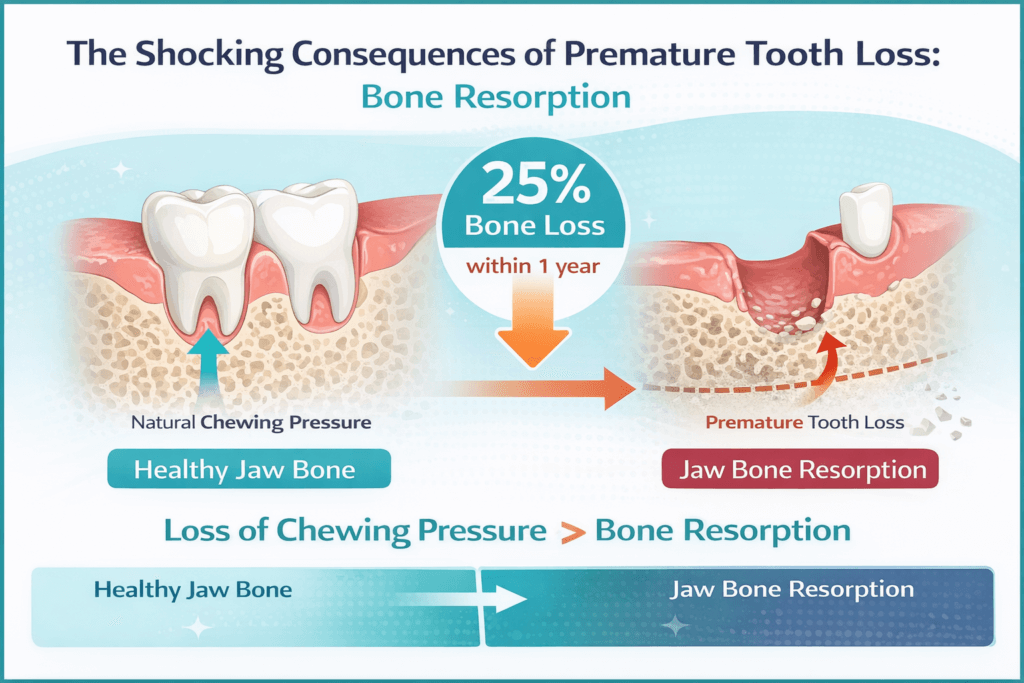
The statistics are startling: It is estimated that we can lose as much as 25% of the bone width in the affected area within just the first year of losing a tooth. If this occurs in a young child, it can compromise the structural integrity of the jaw before the adult teeth have even had a chance to surface.
How Early Decay Impacts General Well-being and Self-Esteem
Oral health is not an isolated issue; it is intrinsically linked to a child’s systemic health. Billions of bacteria found in an infected or decaying tooth can enter the bloodstream and contribute to inflammation throughout the body. Research has linked poor oral health to a variety of serious conditions, including cardiovascular issues and complications with diabetes.
Beyond the physical, a child with visible decay or missing front teeth may suffer from significantly reduced self-confidence. Children who feel self-conscious about their teeth are less likely to express themselves freely, which can affect their social development and professional impressions later in life.
Preventing the Spread of Infection
A common myth is that decay in a baby tooth doesn’t matter because the tooth will eventually fall out. However, infection can travel. If a cavity in a primary tooth is ignored, the bacteria can reach the pulp and move down into the root, potentially damaging the developing permanent tooth underneath. Abscesses and infections in the mouth can also cause significant pain, fever, and even require emergency oral surgery.
Dental Injuries and Trauma: Protecting Your Child’s Smile
Accidents happen, especially with active children. Dental injuries account for a significant portion of premature baby tooth loss, with falls, sports accidents, and playground mishaps being common culprits. Studies suggest that approximately 25 percent of school-age children experience some form of dental trauma.
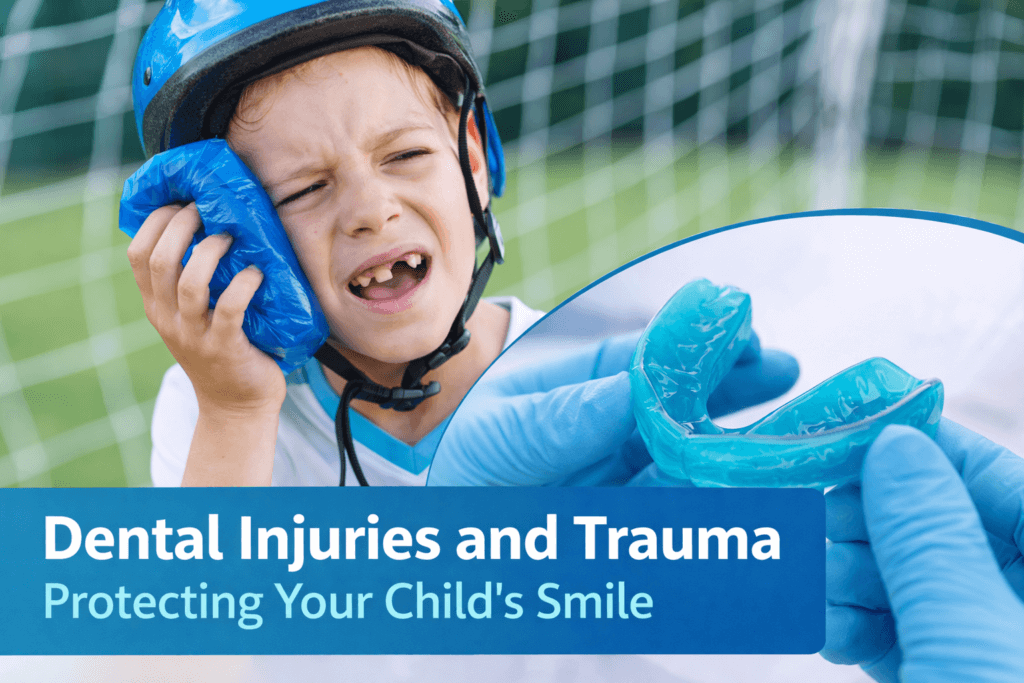
When a baby tooth is knocked out, chipped, or loosened, immediate dental attention is crucial. Unlike permanent teeth, knocked-out baby teeth are typically not replanted to avoid damaging the developing permanent tooth underneath. However, other injuries may require treatment to prevent infection or complications.
Prevention is key. At My Dentist Morgan Creek, we recommend appropriate safety measures for your child’s activities, including properly fitted mouthguards for sports and teaching children safe play habits. We can custom-fit mouthguards that provide superior protection compared to over-the-counter options.
Professional Pediatric Dental Care: When and Why It Matters
The Canadian Dental Association and American Academy of Pediatric Dentistry both recommend that children have their first dental visit by age one or within six months of their first tooth erupting. These early visits establish a dental home for your child and allow dentists to monitor development, identify potential problems early, and educate parents about proper care.
Regular dental checkups every six months are essential throughout childhood. Professional cleanings remove plaque and tartar that brushing misses, while examinations can detect cavities in their earliest stages when treatment is simpler and less invasive. Dental X-rays, when appropriate, reveal problems beneath the surface that aren’t visible during visual examinations.
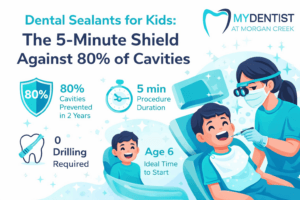
Preventive treatments like fluoride applications and dental sealants provide additional protection for vulnerable baby teeth. Fluoride strengthens tooth enamel and helps reverse early signs of decay, while sealants create a protective barrier over the chewing surfaces of molars where cavities most commonly develop.
Practical Tips for Parents to Protect Baby Teeth
Maintaining a healthy smile starts at home with these essential habits:
- Brush twice daily: Use a soft-bristled toothbrush and fluoride toothpaste for at least two minutes, especially before bedtime.
- Floss once a day: This is crucial for removing plaque from between teeth where a brush cannot reach.
- Watch the diet: Limit sugary and acidic snacks (like juice and candy) that feed decay-causing bacteria.
- Protect against injury: If your child is active in sports, ensure they wear a custom mouthguard to prevent chips, fractures, or knocked-out teeth.
- Visit the dentist bi-annually: Regular checkups every six months are vital for monitoring growth and maintaining hygiene.
Advanced Technology for Tiny Smiles in South Surrey
At My Dentist at Morgan Creek, we leverage cutting-edge dental technology to ensure pediatric visits are accurate, fast, and comfortable.
- iTero Lumina Scanner: We have invested in the most recent, top-of-the-line iTero Lumina scanner. This allows us to take beautiful, real-time 3D pictures of your child’s mouth in just 2-3 minutes, eliminating the need for messy, uncomfortable traditional impressions. It can even help detect early-stage caries (cavities) that might be invisible to the naked eye.
- The Wand Single Tooth Anesthesia (STA): To combat the common “fear of needles” that affects two-thirds of children, we use The Wand. This computer-assisted system looks like a pen and delivers anesthesia precisely and gently, removing the “bee sting” sensation of traditional injections and preventing that unwanted “fat lip” feeling after the appointment.
- Digital X-rays: Our digital imaging provides a clear picture of your child’s oral structures while significantly reducing radiation exposure compared to traditional methods.
Gentle Dentistry: Creating a Positive Foundation
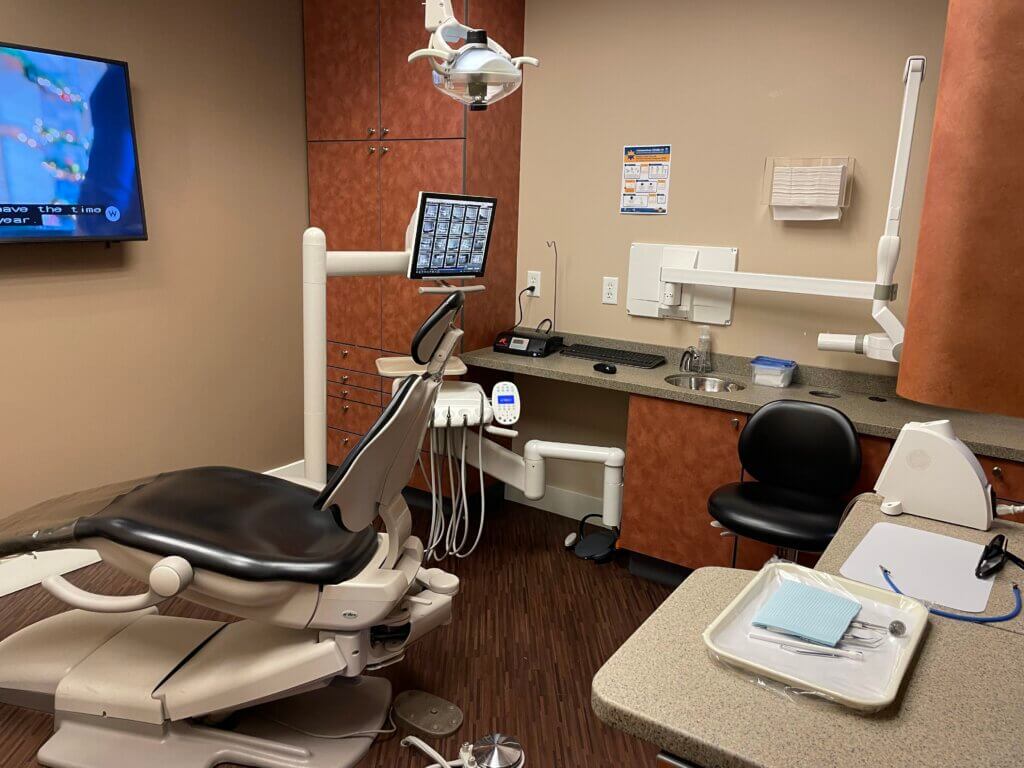
We understand that a trip to the dentist can be intimidating for children. Our team, led by Dr. Madhvi Potluri, prioritizes a gentle and empathetic approach. We utilize playful, interactive tools to explain procedures in an age-appropriate way, transforming dental visits into educational and rewarding experiences. Our clinic also features amenities like TVs with kid-friendly programming to ensure your little ones feel right at home.
Why My Dentist at Morgan Creek is the Ideal Choice for Families
Life in South Surrey and White Rock is busy. We offer a “one-stop-shop” approach to family dentistry, allowing you to schedule checkups for yourself and your children on the same day in one convenient location. This continuity of care helps your child develop a long-term, trusting relationship with our team, which is the key to preventing dental anxiety for life.
We are committed to preventative care, offering services like dental sealants to protect deep grooves in teeth and fluoride treatments to strengthen developing enamel. We believe that by working together, we can catch small issues before they become expensive, painful problems.
Let’s Give Your Child a Healthy Start Today!
At My Dentist at Morgan Creek, your child’s smile is our top priority. We provide a clear, written estimate for all treatment plans so there are no risks and no hidden fees. Whether your baby is getting their first tooth or your teen needs an orthodontic evaluation, our experienced team in South Surrey / White Rock is here to help.
Don’t wait until your child is in pain! Establish a foundation for a lifetime of healthy smiles.
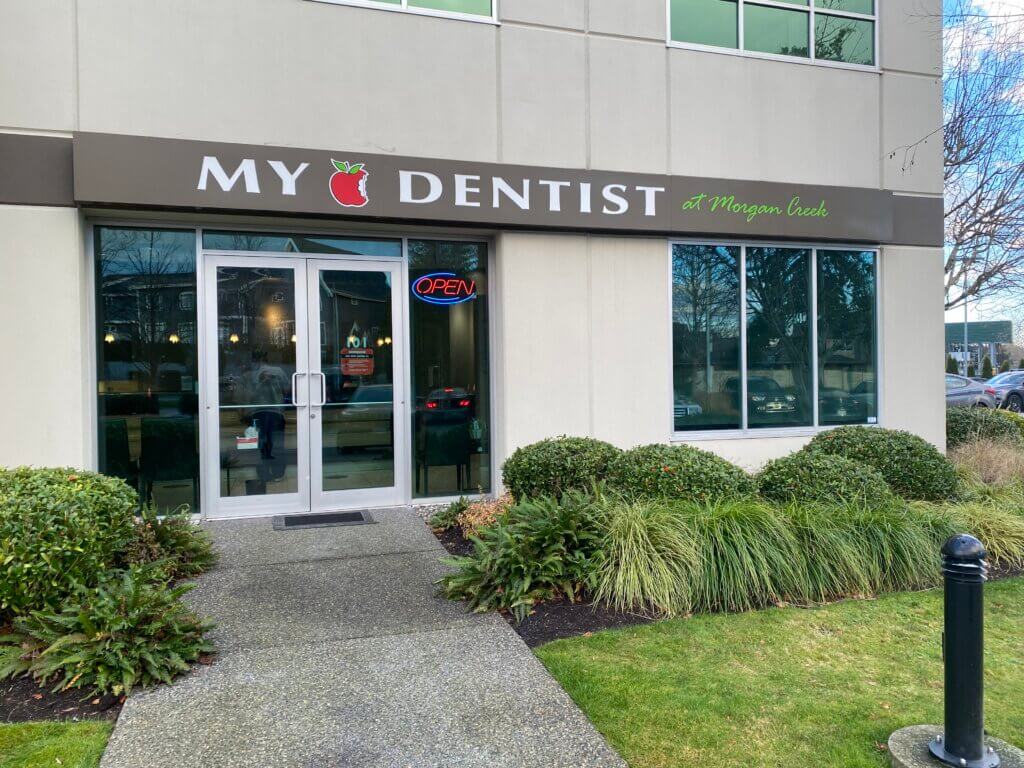
Call us today at (778) 742-5731 or book an appointment online. You can find us conveniently located at 15252 32 Ave #101, South Surrey, BC, opposite the Fire Service Hall 17.
Frequently Asked Questions About Pediatric Dental Care
When should my child have their first dental visit?
We recommend bringing your child in for their first visit by their first birthday or within six months of their first tooth erupting. Early visits help children get used to the dental environment and allow us to provide guidance on infant oral care.
Are baby teeth really important if they’re just going to fall out?
Yes! As discussed, they are vital for proper speech, nutrition, and jawbone development. They also hold the space needed for permanent teeth to grow in straight.
What should I do if my child knocks out a baby tooth?
Unlike permanent teeth, we generally do not try to re-implant a knocked-out baby tooth, as it could damage the developing adult tooth underneath. However, you should still call us for an emergency appointment so we can ensure there is no other damage to the gums or jaw.
How can I help my child stop thumb sucking or pacifier use?
While these are natural comforting habits, they can lead to dental issues if they continue too long. Our team can provide guidance and strategies to help your child break these habits gently to protect their oral development.
Is the “The Wand” really painless?
Most of our patients find it surprising that they feel little to no pain during the procedure. The Wand delivers anesthesia at a precise, gentle rate, eliminating the “bee sting” associated with traditional syringes.
Does your clinic accept the new government dental plan?
Yes, we can help you determine if your family is eligible for the new government dental plan – just give us a call or visit our office to find out.