



A dental emergency can happen anytime, anywhere. It can cause pain, discomfort, and anxiety. It can also affect your oral health and your overall well-being. That’s why, it’s important to know how to recognise and handle dental emergencies properly. Whether it’s a chipped tooth, a throbbing toothache, or a loose filling, these problems require immediate attention to prevent further complications. In this blog post, we will discuss the most common dental emergencies and what you should do if you encounter them. We will also explain why My Dentist at Morgan Creek is one of the best family dental clinics in South Surrey / White Rock, BC, for emergency dental care. Our experienced team understands the urgency of dental emergencies and is committed to providing prompt and effective care.
What is a Dental Emergency?
A dental emergency is any situation that requires immediate attention from a dentist. It can be caused by trauma, infection, decay, or other factors. Some examples of dental emergencies are:
- Severe toothache
- Broken or chipped tooth
- Knocked-out tooth
- Loose or missing filling or crown
- Abscess or swelling
- Bleeding or injury to the gums, lips, tongue, or cheek
- Jaw pain or stiffness
If you experience any of these symptoms, you should not ignore them or wait for them to go away. They can worsen over time and lead to more serious complications. You should contact your dentist as soon as possible and seek professional help.
How to Handle Dental Emergencies
While you wait for your emergency dental appointment, there are some steps you can take to ease your pain and prevent further damage. Here are some tips on how to handle the most common dental emergencies:
Severe Toothache
If you experience a severe toothache, it can be caused by various factors, such as a cracked tooth, infection, or an impacted wisdom tooth. Initially, you can rinse your mouth with warm water and floss gently to remove any food particles that may be stuck between your teeth. Apply a cold compress to your cheek to reduce swelling and inflammation. Avoid hot, cold, or sweet foods and drinks that may trigger or worsen your pain. Take over-the-counter painkillers such as ibuprofen or acetaminophen, but do not place them directly on your gums or teeth, as this can cause burns or irritation. If your pain persists and you can’t see your dentist, then you should visit your nearest emergency room where they can help you deal with the pain until you can see your dentist.
Broken or Chipped Tooth
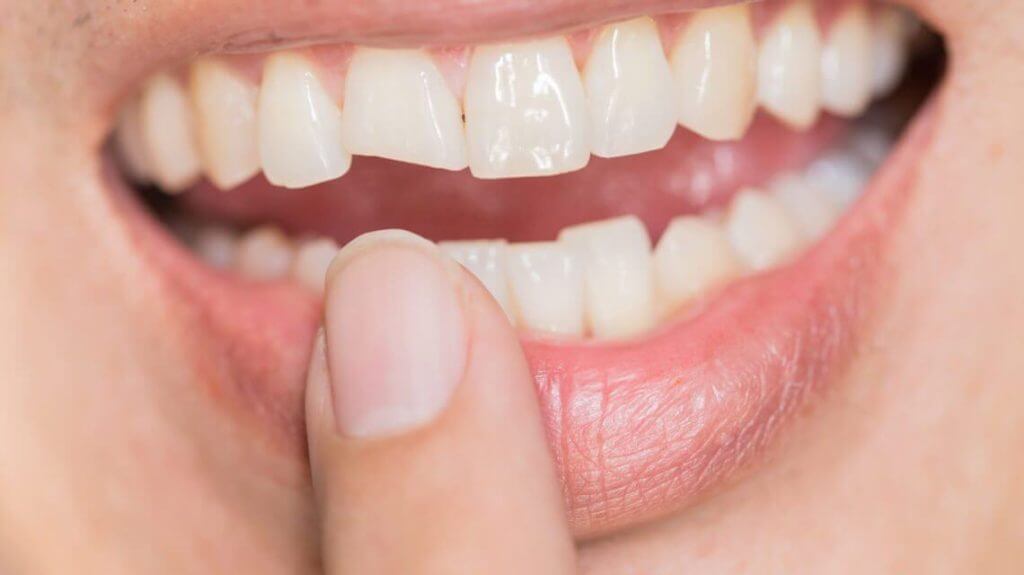
A chipped tooth is a common dental emergency that can occur due to various unfortunate incidents, such as falls, accidents, or biting down on hard objects. You should save any pieces of your tooth that you can find and rinse them with water. Rinse your mouth with warm salt water to reduce pain and inflammation, and apply a piece of gauze or a tea bag to the bleeding area. You may also apply a cold compress to your cheek to reduce swelling and pain. If the break is sharp or jagged, cover it with a piece of wax or sugarless gum to prevent it from cutting your tongue or cheek.
Knocked-out Tooth
Pick up your tooth by the crown (the part visible in your mouth) and avoid touching the root (the part hidden under the gum). Rinse your tooth with water and try to place it back in its socket, holding it gently with your fingers or biting down on a piece of gauze. If you cannot reinsert your tooth, keep it moist by placing it in a glass of milk, salt water, or saliva, or in a tooth preservation kit. The sooner you see your dentist, the higher the chance of saving your tooth.
Loose or Missing Filling or Crown
A loose filling can be a source of discomfort and irritation. To prevent the filling from falling out completely, avoid chewing on the affected tooth and avoid touching it with your tongue. Rinse your mouth with warm salt water to reduce inflammation. Schedule an appointment with your dentist to have the filling replaced as soon as possible.
If your filling or crown falls out, save it and take it to your dentist. If you can, try to place it back on your tooth, using a dab of toothpaste, dental cement, or denture adhesive to hold it in place. Do not use glue or super glue, as this can damage your tooth and your restoration, not to mention that it can be toxic. Moreover, avoid chewing on the affected tooth until you see your dentist.
Abscess or Swelling
An abscess is a pus-filled pocket that forms around the root of an infected tooth. It can cause severe pain, fever, swelling, and bad breath. It can also spread to other parts of your body and cause serious health problems. If you suspect you have an abscess, rinse your mouth with warm salt water several times a day and apply a cold compress to your cheek. Do not pop or drain the abscess, as this can spread the infection. You should see your dentist as soon as possible, as you may need antibiotics and drainage.
Swollen gums can be a sign of gingivitis or periodontitis, both of which are gum diseases that can lead to tooth loss if left untreated. To manage swollen gums, avoid sugary drinks and foods, practice good oral hygiene, and schedule a dental appointment for a thorough evaluation and treatment plan.
Bleeding or Injury to the Gums, Lips, Tongue, or Cheek
If you cut or bite your gums, lips, tongue, or cheek, rinse your mouth with warm water and apply pressure to the bleeding area with a piece of gauze. If the bleeding does not stop after 15 minutes, or if the wound is deep or large, you may need stitches. See your dentist or go to the nearest emergency room for treatment.
Jaw Pain or Stiffness
Jaw pain or stiffness can be caused by various factors, such as clenching or grinding your teeth, arthritis, injury, or infection. To relieve your discomfort, apply a warm or cold compress to your jaw. The cause of your jaw pain may determine which temperature is more helpful for you. Cold treatments can reduce swelling and inflammation, whereas if your jaw pain is due to muscle soreness or tightness, heat can relieve it better.
In addition, you can massage your jaw muscles, and take over-the-counter painkillers. Avoid opening your mouth too wide or eating hard or chewy foods. If your jaw pain persists or worsens, or if you have trouble opening or closing your mouth, see your dentist or a doctor, as you may have a temporomandibular joint (TMJ) disorder or another condition that requires treatment.
Preventing Dental Emergencies
While dental emergencies can occur, there are steps you can take to minimize their occurrence:
- Practice regular brushing and flossing: Brushing twice a day and flossing once a day removes plaque and bacteria that can contribute to dental problems.
- Schedule regular dental checkups: Regular dental checkups allow your dentist to identify and treat potential problems early, preventing them from developing into emergencies.
- Avoid excessive consumption of sugary foods and drinks: Sugar feeds the bacteria in your mouth, increasing the risk of tooth decay and gum disease.
- Seek immediate attention for dental problems: Don’t wait for dental problems to worsen. Addressing issues early can prevent them from escalating into emergencies.
Choose My Dentist at Morgan Creek for Emergency Dental Care
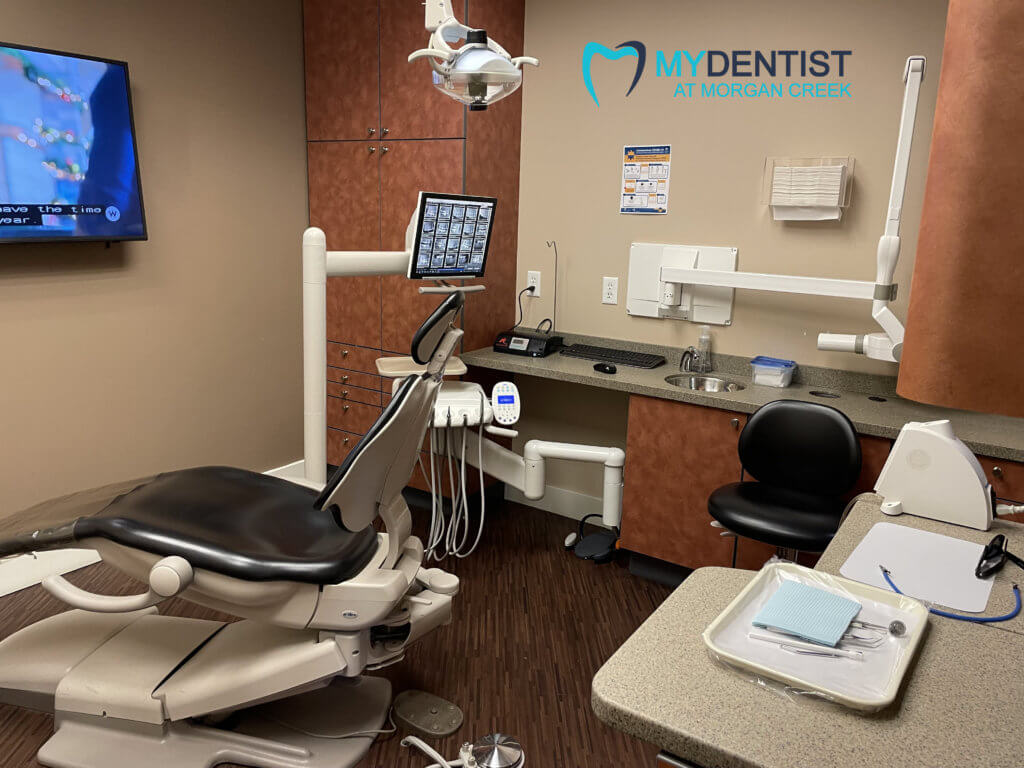
At My Dentist at Morgan Creek, our South Surrey dentists understand how stressful and painful dental emergencies can be. That’s why we offer same-day appointments and work long hours (our South Surrey dental clinic is open until 8:00 PM) and offer Saturday appointments for our patients. We have a team of experienced and compassionate dentists who can handle any type of dental emergency, from toothaches to trauma. We use the latest technology and techniques to provide you with the best possible care and comfort. We also accept most insurance plans and offer financing through iFinance to suit your budget.
Book Your Emergency Dental Appointment Now!
Whether you need a filling, a root canal, an extraction, or a dental implant, we can help you restore your smile and your oral health. We also offer a range of preventive and cosmetic dental services to keep your teeth and gums healthy and beautiful. We are committed to providing you with personalized and gentle care that meets your needs and expectations. If you have a dental emergency, call us at (604) 200-3847. We will do our best to accommodate you and see you as soon as possible. We are conveniently located at 15252 32 Ave #110, South Surrey, opposite Fire Service Hall 17 on 32nd Avenue, minutes away from Vancouver – Blaine Hwy. You can also book an appointment with us online. Don’t let a dental emergency ruin your day or your smile. Contact My Dentist at Morgan Creek today and let us take care of you. We are one of the best family dental clinics in South Surrey / White Rock, BC, for emergency dental care.