


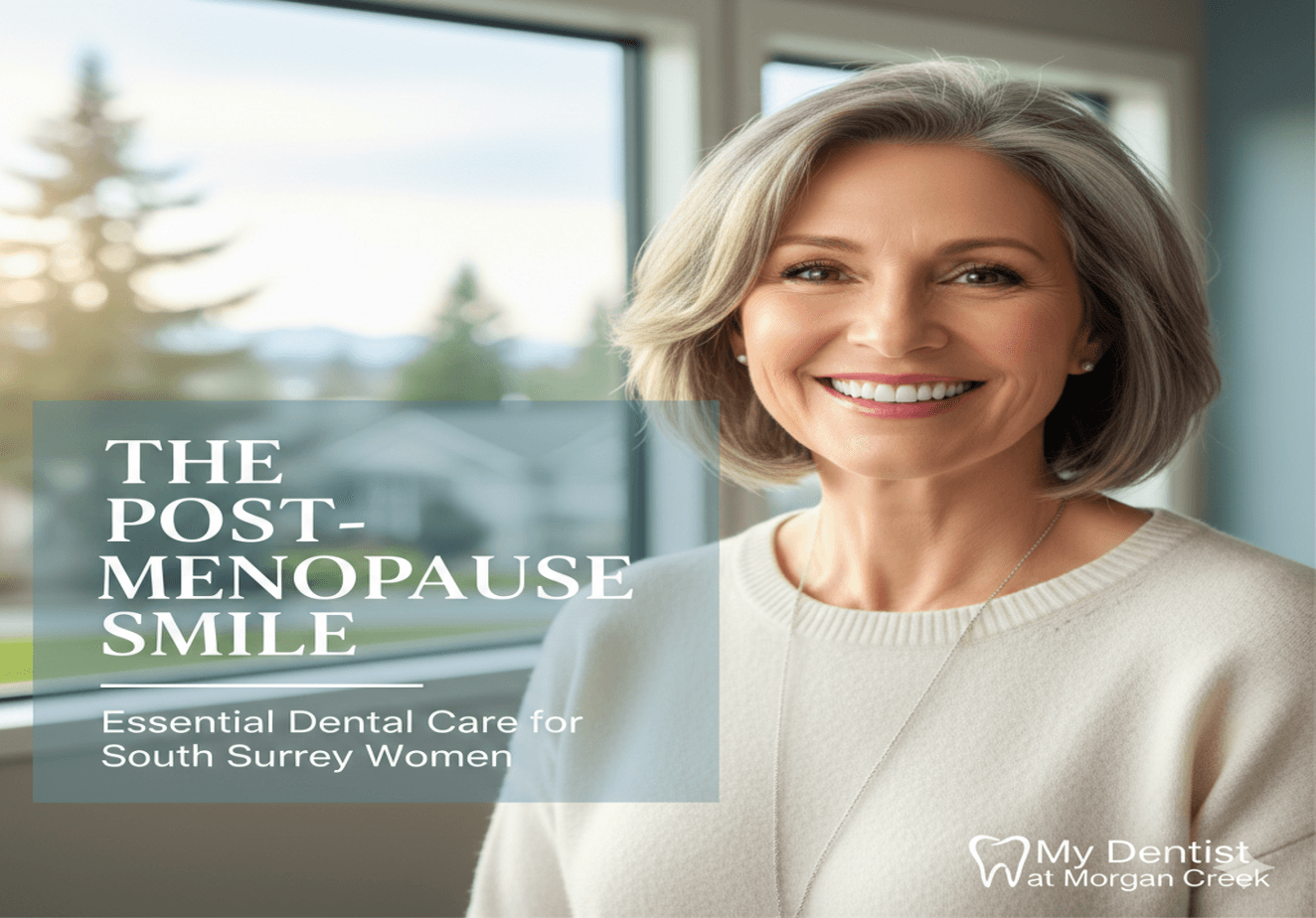
As women in South Surrey and White Rock navigate the life transition of menopause, they experience significant hormonal changes that subtly, yet profoundly, influence overall health and well-being. While the focus often centres on common symptoms, the specialized needs of post-menopausal oral health frequently go unaddressed, only drawing attention when discomfort or damage occurs. At My Dentist at Morgan Creek, we believe that maintaining a healthy smile and robust oral structure is integral to your longevity and quality of life.
What many don’t realize is that this natural life transition also brings significant changes to oral health. Research reveals that 84% of women aged 50 and over are unaware that oral health symptoms they experience could be related to menopause, and 70% of women 50 and older have experienced at least one oral health symptom since beginning menopausal symptoms. Yet despite these striking numbers, only 2% have discussed their concerns with their dentist.
For women in South Surrey and White Rock, understanding the connection between menopause and oral health isn’t just about maintaining a beautiful smile; it’s about protecting your overall well-being during this important life stage. At My Dentist at Morgan Creek, we’re committed to providing comprehensive dental care that addresses the unique challenges post-menopausal women face.
Understanding the Menopause-Oral Health Connection
Menopause marks the end of a woman’s reproductive years, typically occurring in the late 40s to early 50s. During this transition, dramatic hormonal changes occur, particularly in estrogen levels. Since oral tissues contain estrogen receptors, these hormonal fluctuations directly impact your mouth’s health and function.
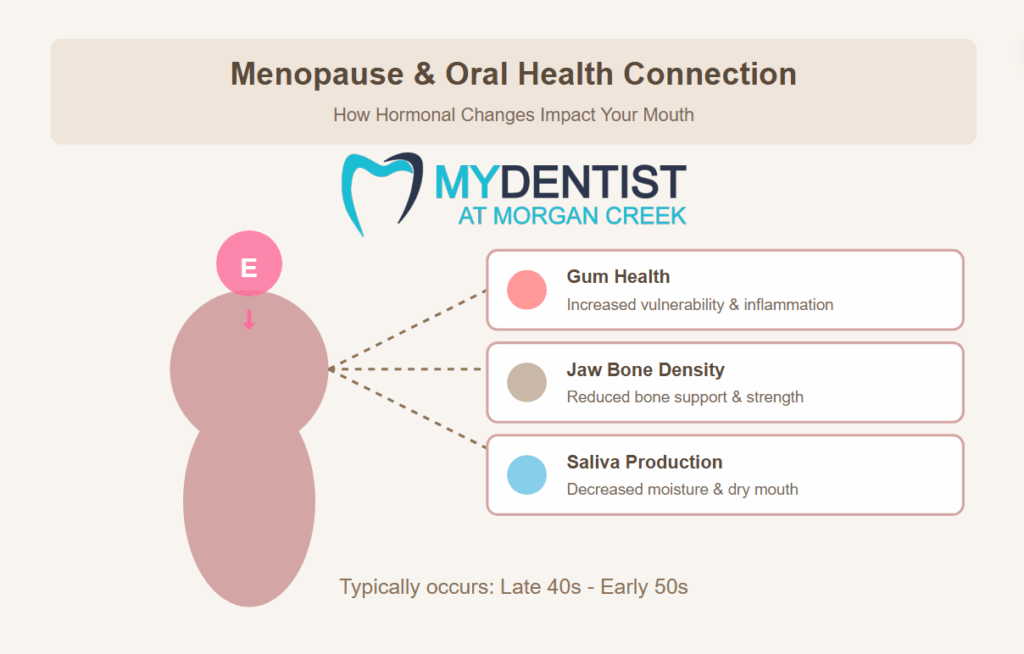
The decline in estrogen affects multiple aspects of oral health. This hormone plays a crucial role in maintaining healthy gums, supporting bone density in the jaw, and regulating saliva production. When estrogen levels drop, women become more vulnerable to a range of oral health issues that can significantly impact their quality of life.
Common Oral Health Changes After Menopause
The hormonal shifts that occur during menopause can trigger a cascade of oral health changes that many women find surprising and concerning. Understanding these common issues is the first step toward addressing them effectively and maintaining optimal dental wellness throughout this life transition.
Dry Mouth (Xerostomia)
One of the most prevalent oral health issues affecting post-menopausal women is dry mouth. Approximately 50% of women over 50 experience dry mouth, which occurs when estrogen’s role in regulating saliva production diminishes.
Saliva serves as your mouth’s natural defence system, washing away food particles, neutralizing harmful acids, and providing essential minerals to teeth. When saliva flow decreases, the risk of cavities, gum disease, and oral infections increases substantially. Many women also report difficulty speaking, swallowing, or wearing dentures comfortably.
Periodontal (Gum) Disease
Studies show that periodontal health is most severely affected in menopausal women. The decreased estrogen levels make gums more susceptible to inflammation and infection. Without proper intervention, gum disease can progress from gingivitis (early-stage gum inflammation) to periodontitis, a more serious condition that can lead to tooth loss.
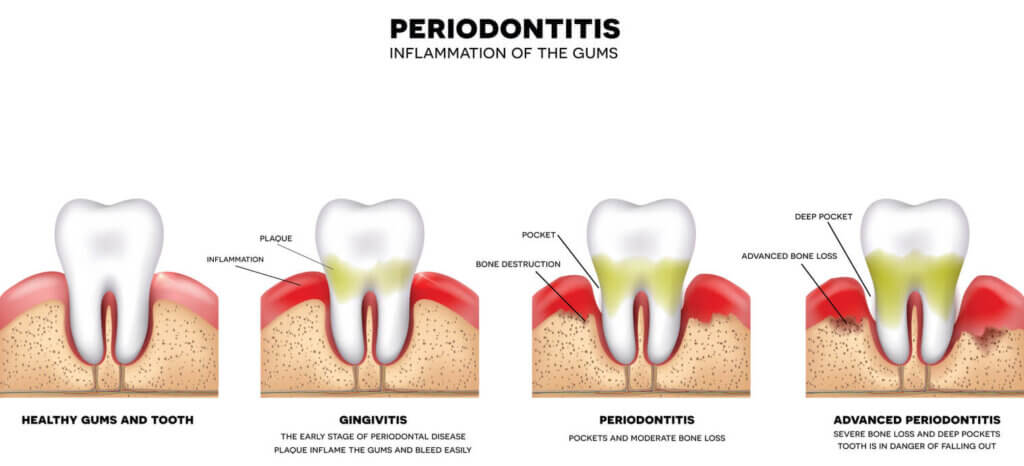
Research also shows that a significant percentage of women don’t know menopause is linked to gum disease, highlighting a critical knowledge gap. Early detection and treatment are essential to preventing the progression of periodontal disease and protecting your natural teeth.
Burning Mouth Syndrome
Approximately 15% of post-menopausal women experience burning mouth syndrome, also known as glossodynia. This condition causes a burning or tingling sensation in the tongue, lips, gums, or other areas of the mouth, often without any visible signs of irritation.
The discomfort can range from mild to severe and may be accompanied by a metallic taste, altered taste perception, or increased sensitivity to certain foods and beverages. While the exact causes remain unclear, hormonal changes during menopause are believed to play a significant role.
Increased Tooth Decay
The combination of reduced saliva flow and changes in oral tissue health creates an environment where tooth decay can flourish. Saliva’s protective properties diminish, leaving teeth more vulnerable to cavity-causing bacteria. Post-menopausal women may notice an increase in cavities, particularly along the gum line or on tooth roots that may become exposed due to gum recession.
Bone Density Loss and Tooth Loss
The same hormonal changes that lead to osteoporosis in other parts of the body also affect the jawbone. Research demonstrates that tooth loss is significantly higher in post-menopausal women compared to pre-menopausal women. The decreased bone density in the jaw can compromise the stability of teeth and complicate dental procedures such as implant placement.
Studies have found that women using hormone therapy showed a reduced risk of tooth loss, but this treatment isn’t suitable for everyone and requires careful medical consideration.
Changes in Taste and Oral Sensation
Many post-menopausal women report changes in their sense of taste or experience unusual sensations in their mouth. Foods may taste different, or you might develop a persistent metallic taste. These changes can affect nutritional intake and overall quality of life.
The Impact on Daily Life and Overall Health
The oral health changes associated with menopause extend far beyond the mouth. Research shows that 45% of women aged 40 and over report that oral health symptoms negatively impact their confidence, mood, or mental health. These issues can affect social interactions, professional performance, and personal relationships.
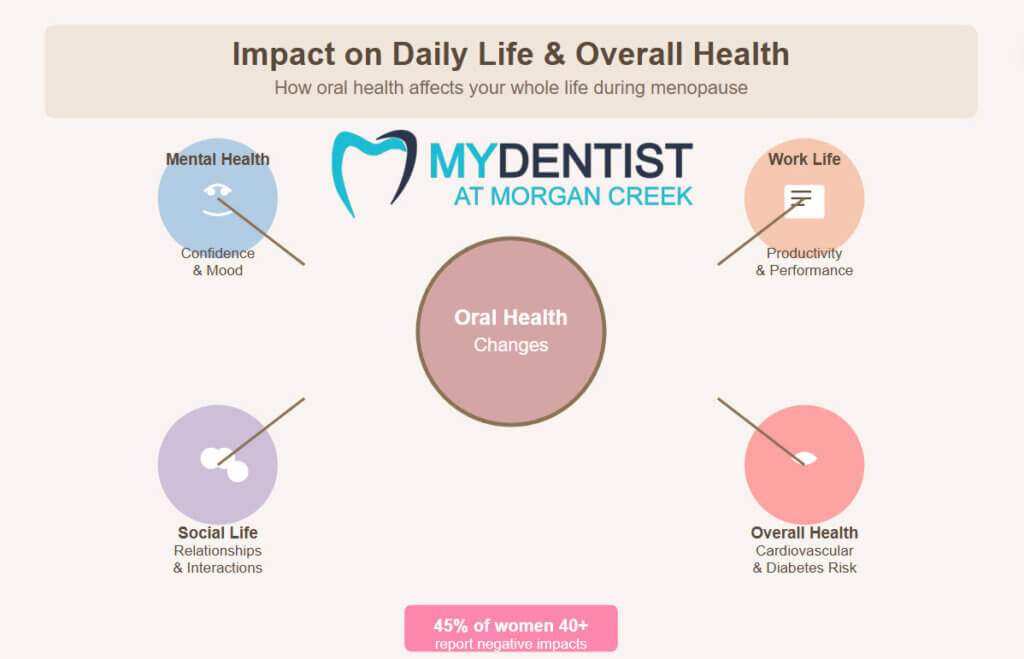
Studies indicate that a significant percentage of menopausal and perimenopausal women reported missing work due to menopause symptoms in the past year. When combined with dental issues, the impact on productivity and well-being becomes even more significant.
Furthermore, the connection between oral health and systemic health becomes increasingly important during menopause. Periodontal disease has been linked to cardiovascular disease, diabetes, and other serious health conditions. Maintaining optimal oral health during this life stage is essential for protecting your overall well-being.
Protecting Your Teeth: The Essential Daily Routine
A consistent and meticulous oral hygiene regimen is the cornerstone of preserving your smile, especially when structural changes are a concern.
Brushing for Enamel Integrity
Your home care routine becomes even more critical after menopause. Brush twice daily with a soft-bristled toothbrush and fluoride toothpaste, taking care to brush gently along the gum line where recession may occur. You should also consider investing in a good quality electric toothbrush, which can be particularly beneficial for senior citizens as it provides a consistent brushing motion and removes plaque more effectively with less manual effort.
Be cautious not to brush immediately after consuming acidic items, like citrus fruits or sweetened beverages, as this can weaken acid-softened enamel; wait at least 30 minutes, or rinse with water first.
Mastering Daily Flossing
Flossing once a day is crucial for removing trapped food particles and plaque from between the teeth and along the gum line, areas your toothbrush cannot access effectively. Using about 18 inches (46 cm) of floss, wrap it around your middle fingers, leaving a short section (about 1 inch or 2.5 cm) taut between them to gently slide between teeth, ensuring you curve below the gum line.
Incorporating Rinse for Added Defense
Mouthwash is a beneficial addition to your routine, helping to reduce acid levels, freshen breath, and deliver fluoride to re-mineralize the teeth. If you choose a mouthwash with antibacterial properties, it can help minimize inflammation and pain caused by cavities or plaque. If you experience dry mouth, avoid alcohol-based rinses that can further dry oral tissues.
Diet and Lifestyle: Fueling Your Post-Menopausal Smile
Your diet should actively support strong bones and teeth, which is particularly important as you mature.
Nutrients for Strength
A balanced diet that includes foods rich in calcium and phosphorus, such as dairy products like yogurt, cheese, and milk, is highly beneficial, as these minerals help prevent decay and re-mineralize enamel. Crunchy, fibrous fruits and vegetables like apples, celery, and carrots can also aid in oral hygiene by acting as natural cleansing agents and boosting saliva production, which helps wash away debris.
Managing Dry Mouth
Combat dry mouth by staying well-hydrated throughout the day. Sip water frequently and avoid beverages that can dehydrate you, such as caffeinated drinks and alcohol. Sugar-free gum or lozenges can stimulate saliva production, providing temporary relief.
Your South Surrey dentist can recommend specialized products such as saliva substitutes, moisturizing gels, or prescription medications that may help increase saliva flow. Humidifiers in your bedroom can also provide relief, particularly during sleep when dry mouth symptoms often worsen.
Avoiding Detrimental Habits
To maintain your oral health and overall wellness, eliminate smoking and tobacco use completely. Tobacco products damage gums, stain teeth, and impair the body’s ability to heal, significantly increasing the risk of infection and oral cancer. Furthermore, protect your natural teeth and any dental restorations by avoiding chewing on hard objects like ice or pens and wearing a mouthguard during contact sports.
Regular Professional Dental Care
Professional dental care becomes even more important during and after menopause. Regular checkups allow your dentist to monitor changes, detect problems early, and provide preventive treatments. Many post-menopausal women benefit from more frequent professional cleanings, for example, every three to four months rather than the standard six months.
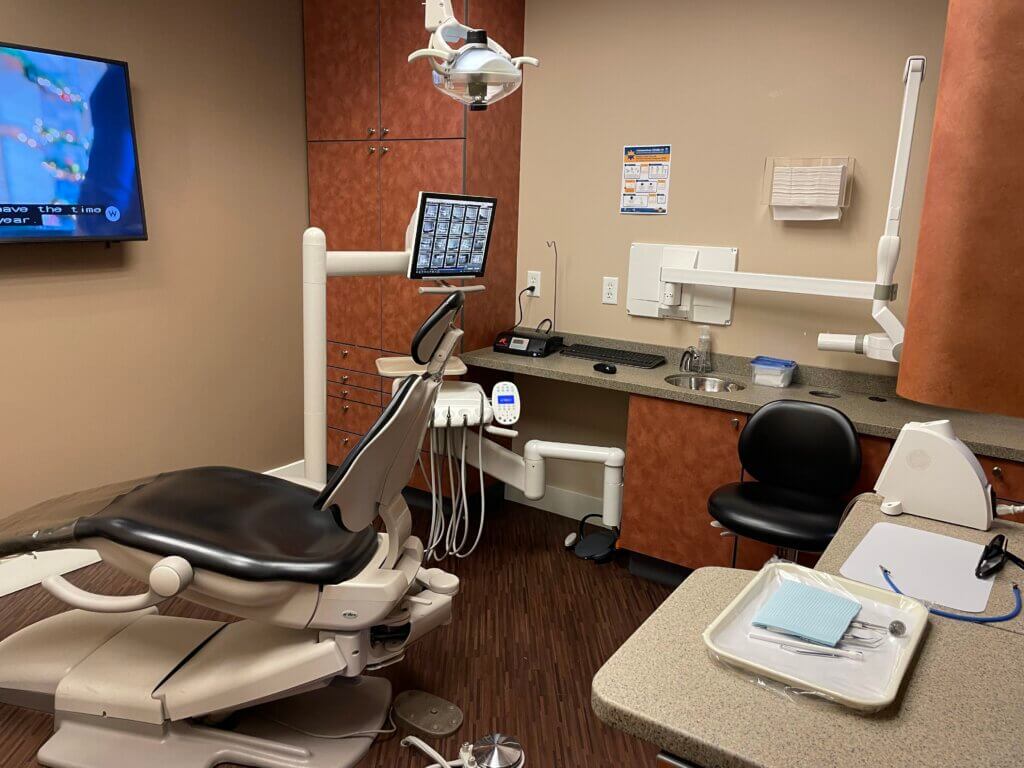
Your dental team can apply fluoride treatments to strengthen tooth enamel and recommend sealants for areas particularly vulnerable to decay. They can also screen for oral cancer, which becomes more common with age.
When to See Your South Surrey Dentist
While regular checkups are important, certain symptoms warrant immediate attention. Contact My Dentist at Morgan Creek if you experience:
- Persistent dry mouth that doesn’t improve with home remedies
- Bleeding, swollen, or receding gums
- Loose teeth or changes in how your teeth fit together
- Persistent bad breath despite good oral hygiene
- Burning sensations or unusual pain in your mouth
- Difficulty chewing or swallowing
- Changes in taste that affect your nutrition
- Sores or lesions that don’t heal within two weeks
Early intervention can prevent minor issues from becoming major problems. Don’t hesitate to reach out if you have concerns about changes in your oral health.
Advanced Care: How My Dentist at Morgan Creek Supports Bone Health
At My Dentist at Morgan Creek, we offer advanced, preventative solutions for women concerned about bone density and tooth loss, making us the ideal choice for dedicated dental care in South Surrey and White Rock. We understand that post-menopausal women have unique oral health needs that require specialized attention and personalized care. Our approach combines advanced dental technology with compassionate, comprehensive treatment to help you maintain optimal oral health during this important life transition.
Dental Implants: The Long-Term Bone Solution
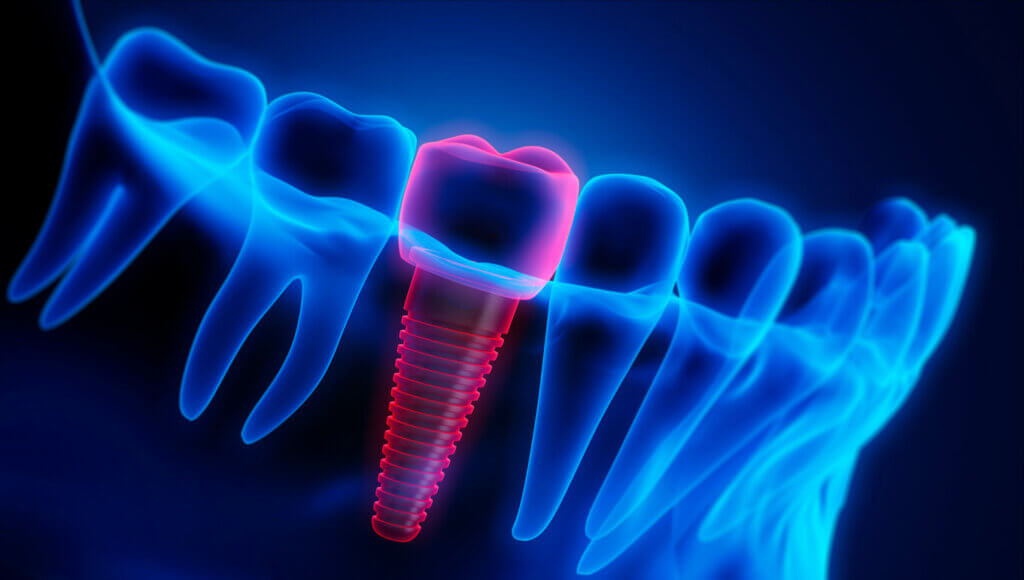
Dental implants are widely considered the most superior and permanent method for replacing missing teeth. Unlike bridges or dentures, an implant replaces the tooth root, which is fundamental to stopping jawbone deterioration and preventing facial structural collapse. Our principal dentists are highly experienced, having practiced implant dentistry in this area for over 20 years, and were among the first to introduce guided implant surgery locally in 2004. With documented success rates reported between 97% and 98%, implants offer incredible stability, function, and longevity.
Tailored Treatments for Bone Insufficiency
For patients with lower bone density, we specialize in comprehensive implant dentistry services designed to achieve successful osseointegration (the fusion of the implant with the jawbone). These specialized procedures include bone grafting, soft tissue grafting, sinus augmentation, and ridge modification, all aimed at rebuilding sufficient bone support for implants. We also provide alternatives like mini dental implants, which can be utilized to stabilize loose-fitting dentures and require less bone density than conventional implants.
Restorative Solutions for Lasting Confidence
We offer a full range of restorative and cosmetic services tailored to maintain the confidence and functionality of your smile throughout your maturing years.
CEREC® 1 Appointment Crowns
For teeth needing restoration due to damage or decay, we utilize advanced CEREC® CAD/CAM technology, which enables the fabrication and placement of customized ceramic crowns and other restorations in a single visit. This efficiency reduces the inconvenience and time commitment of multiple appointments. We also use white, composite resin fillings, which are aesthetically matched to your existing teeth for repairing minor damage or decay.
Pain-Free Root Canal Treatment
If deep decay leads to pulp infection, a root canal is the best option for relieving severe pain and saving the natural tooth. Our Morgan Creek dental clinic utilizes the latest technology, including 3D Sirona imaging and rotary endodontic equipment, to ensure precise and comfortable root canal procedures. In fact, most patients are surprised to find that modern root canal treatments performed by our experienced dentists are relatively pain-free.
Cosmetic Refinement and Straightening
For women seeking cosmetic improvements, we offer solutions like porcelain veneers to mask chips, discolouration, or gaps, creating a flawless, natural appearance that can last for many years. Additionally, Invisalign clear aligners provide a discreet way to correct crowded or misaligned teeth, improving both aesthetics and oral hygiene. Importantly, Invisalign treatment can be successful for adults of all ages, including those in their later decades, contingent upon good bone density.
Leveraging Cutting-Edge Technology for Comfort and Precision
Our commitment to advanced, technology-assisted dentistry guarantees accurate outcomes and patient comfort in South Surrey and White Rock.
- The Wand Single Tooth Anaesthesia (STA) System: Recognizing that many people fear needles, we use The Wand, a computer-assisted system that looks like a pen, to deliver anesthesia gently and precisely. This technique significantly reduces discomfort and prevents unnecessary facial numbness, allowing patients to leave our office feeling normal, without the “fat lip” sensation often associated with traditional injections.
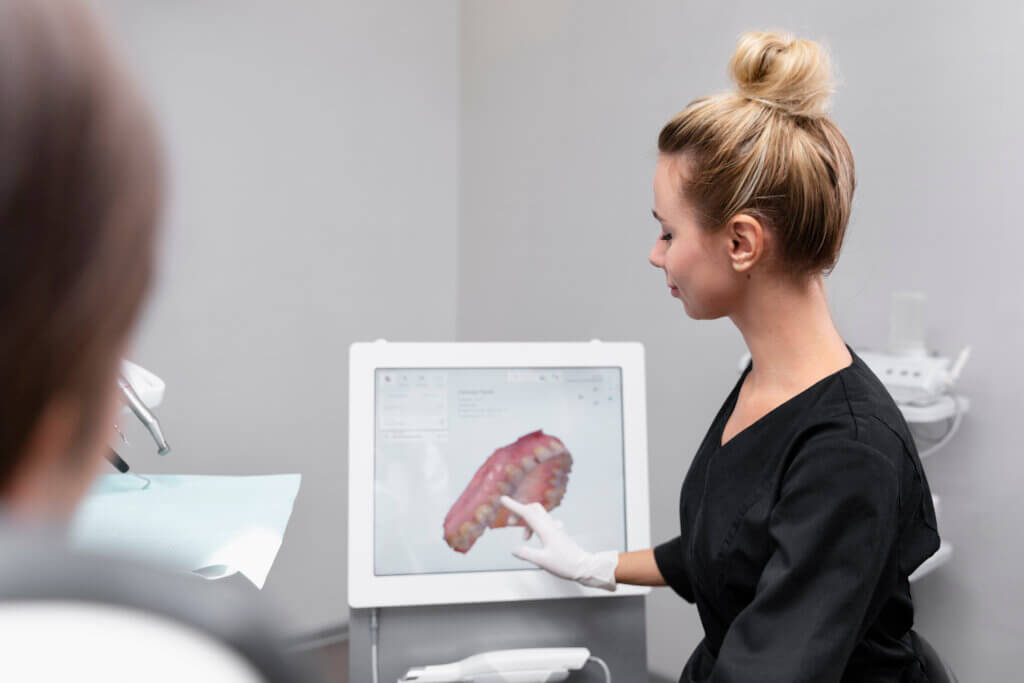
- iTero Lumina Scanner: This top-of-the-line digital scanner replaces the need for messy, traditional impressions for procedures like crowns or Invisalign. The iTero Lumina provides clearer, more accurate intraoral views and can even help detect early signs of decay.
- 3D Imaging and Printing: We use 3D Sirona imaging and 3D printing capabilities to generate detailed views of oral structures and create customized surgical guides, which ensure unparalleled precision during complex procedures like implant placement.
Your Partner in Longevity: Choosing a Local Expert in South Surrey / White Rock
Choosing My Dentist at Morgan Creek as your family dental clinic means selecting a compassionate and professional team dedicated to your long-term oral health. We offer comprehensive care under one roof, making it simpler to manage all your family’s dental needs. Our commitment to patient convenience includes flexible scheduling, with evening hours until 8:00 PM on certain days and Saturday appointments, accommodating your busy life.
We are committed to transparent pricing, providing clear, written estimates for all treatments. Furthermore, we offer flexible payment plans through iFinance to ensure that high-quality, advanced dental care is accessible to all members of the South Surrey and White Rock communities. Dr Madhvi Potluri and our team are constantly upgrading their skills and leveraging advanced technology to deliver the personalized, gentle care you deserve, making us the ideal partner for navigating post-menopausal oral health.
Schedule Your Post-Menopausal Oral Health Checkup Today
Protecting your oral health after menopause is a crucial step in maintaining your quality of life and general well-being. Don’t let potential age-related changes compromise your smile and confidence. The team at My Dentist at Morgan Creek, your expert South Surrey and White Rock family dental clinic, is ready to provide the compassionate, high-tech, and personalized care you deserve.
Let’s work together to give you a healthy mouth. Let’s start today.
CALL US TODAY at (778) 742-5731 or BOOK AN APPOINTMENT online to schedule your comprehensive consultation and discuss a tailored treatment plan designed for your post-menopausal oral health needs. We are conveniently located at 15252 32 Ave #101, South Surrey, BC.
Frequently Asked Questions About Post-Menopausal Oral Health
Why is jawbone health so important after menopause?
Jawbone health is critical because if a tooth is lost and not replaced by an implant, the jawbone stops receiving stimulation, leading to bone resorption and deterioration. This deterioration is concerning because it can lead to further tooth loss, bite misalignment, and eventually premature aging due to facial structural changes. Dental implants are a long-term solution that stimulates the bone, actively helping to prevent this loss.
At what age should I start worrying about menopause-related oral health issues?
Most women begin experiencing perimenopause (the transition before menopause) in their 40s, though it can start earlier. It’s wise to discuss potential oral health changes with your dentist as you approach this age, even before you notice symptoms. Early awareness and preventive care can help you avoid more serious problems.
Can hormone replacement therapy help with oral health issues?
Some research suggests that hormone replacement therapy may help reduce certain oral health risks, including tooth loss and dry mouth. However, HRT isn’t appropriate for everyone and doesn’t necessarily prevent all oral symptoms. Discuss the potential benefits and risks with both your physician and dentist to determine if it’s right for you.
Are dental implants suitable for women in their 60s, 70s, or 80s?
Yes, age is generally not a limiting factor for dental implants. Successful procedures have been performed on individuals in their 80s and 90s, provided they have sufficient bone thickness to support the implant and no major health issues that would affect healing. Our dentists, with over 16 years of experience in implant dentistry, can perform a complete assessment to determine if you are a candidate.
How can I manage jaw pain or headaches that might be related to teeth grinding (bruxism)?
Teeth grinding, or bruxism, can cause headaches, soreness in the jaw muscles, and damage to the teeth and gums. If you suspect you are grinding your teeth, especially at night, consult your dentist for an accurate diagnosis. Treatment often involves prescribing a custom-made protective nightguard appliance to prevent contact between the upper and lower teeth while sleeping.
How often should post-menopausal women visit the dentist?
Regular dental checkups and professional cleanings are fundamental for maintaining good oral health. It is generally recommended to visit your dentist at least twice a year, or more often if you have specific risk factors or existing issues like gum disease. These routine visits allow your dentist to monitor your oral health, check old restorations, and detect small problems before they escalate into larger, more costly issues.
Does My Dentist at Morgan Creek use technology to make dental procedures less painful?
Yes, we prioritize patient comfort using advanced technology. We use The Wand Single Tooth Anaesthesia (STA) system for precise and gentle anesthesia delivery, which minimizes pain and avoids the lingering facial numbness associated with traditional injections. We also use advanced equipment like 3D Sirona imaging and digital X-rays to ensure precise and efficient treatment planning, minimizing discomfort and time spent in the chair.