



A confident smile can light up a room, but for many, the worry of bad breath, or halitosis, can be a constant source of embarrassment and anxiety. It’s a surprisingly common issue that affects millions, often far more deeply than just socially. While some cases of bad breath might be temporary and easily resolved, persistent halitosis can signal underlying oral health problems that demand professional attention. At My Dentist at Morgan Creek, your trusted family dental clinic in South Surrey / White Rock, BC, we understand that oral health extends far beyond a beautiful smile; it’s intricately linked to your overall well-being. We’ll delve into the most important causes of bad breath, explain the potential consequences of ignoring these issues, and demonstrate how our dedicated team can help you achieve lasting fresh breath and optimal oral health.
Understanding Bad Breath (Halitosis)
Bad breath, medically known as halitosis, is an unpleasant odour emanating from the mouth. It’s more than just a momentary issue after a garlicky meal; persistent bad breath can indicate various dental or even systemic health concerns. While it can certainly impact your self-confidence, it’s crucial to understand that it’s often a symptom that points towards something that needs to be addressed for your health.
The Most Important Causes of Bad Breath You Can’t Ignore
While a strong-smelling meal can temporarily cause bad breath, persistent halitosis is often rooted in oral health problems that require professional diagnosis and treatment. Recognizing these causes is the first step towards a long-term solution.
Poor Oral Hygiene
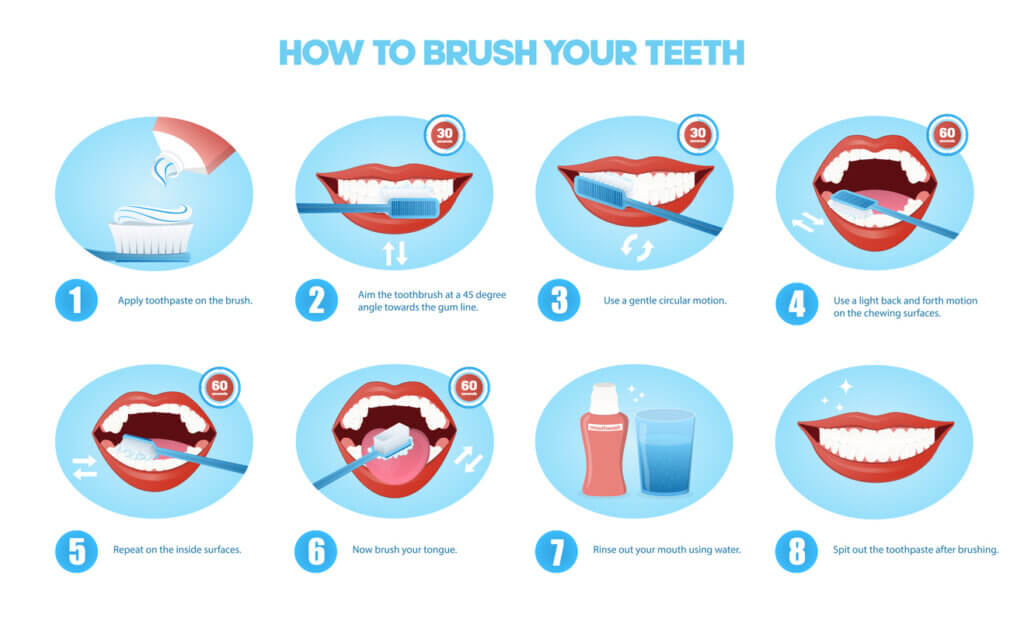
The most common culprit behind bad breath is often inadequate oral hygiene. When you eat or drink, a sticky film called plaque forms on your teeth. If this plaque isn’t effectively removed through regular brushing and flossing, it accumulates, and the bacteria within it can produce acids that erode tooth enamel and lead to gum inflammation. These bacteria also release foul-smelling gases, causing bad breath. Brushing your teeth for at least two minutes, twice a day, using gentle circular motions and fluoride toothpaste, is essential to remove plaque and bacteria. It’s also vital to brush your tongue, as it can harbour bacteria that contribute to bad breath. Flossing once a day, preferably at night before brushing, is equally important to remove plaque and food particles from between your teeth where a toothbrush can’t reach. Forgetting to brush after late-night snacks can significantly worsen existing toothaches and contribute to plaque buildup.
Gum Disease (Periodontal Disease)
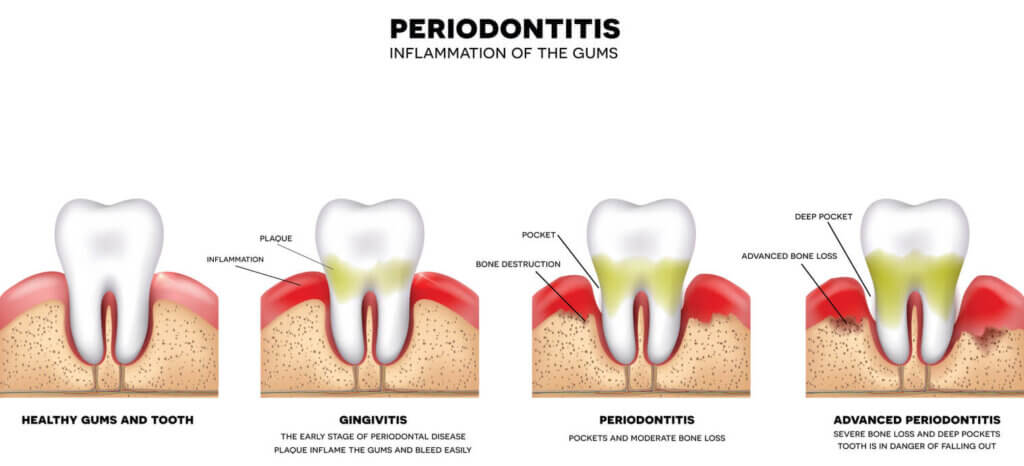
Gum disease, also known as periodontal disease, is a serious infection of the tissues that support your teeth, including the gums, periodontal ligaments, and jawbone. It starts when bacteria-laden plaque irritates the gum tissues. If not removed, plaque hardens into tartar, which can then spread below the gum line, harming the bone, gum tissue, and ligaments supporting your teeth. Bleeding gums, a common sign of gum disease, create an entry point for bacteria from your mouth to enter the bloodstream. This infection and inflammation can be a significant source of bad breath. Moreover, gum disease has been linked to severe systemic health issues, making its treatment crucial not just for fresh breath, but for overall well-being.
Cavities and Tooth Decay
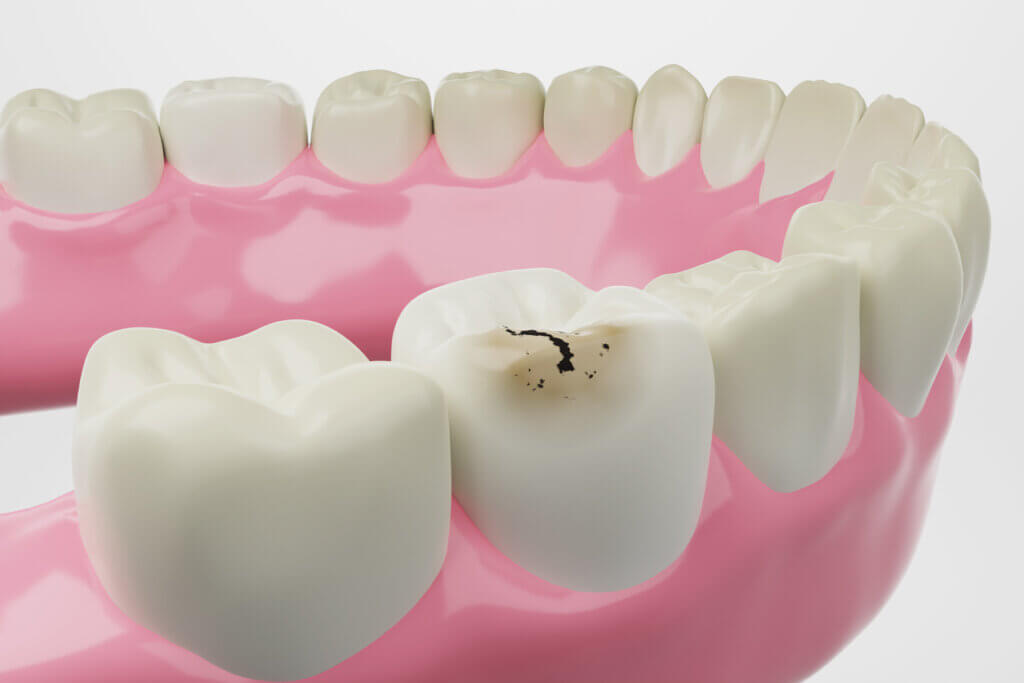
Cavities are holes in your teeth caused by bacteria producing acids that eat away at your enamel. If left untreated, these cavities can grow deep, affecting the tooth pulp and potentially leading to infection. Decaying tooth structure and the bacteria trapped within these areas can produce strong, unpleasant odours, directly contributing to bad breath. In advanced stages, cavities can cause severe toothaches and may necessitate a root canal or even tooth extraction to prevent further infection and damage.
Dry Mouth
Saliva plays a crucial role in maintaining oral health by washing away food particles and neutralizing acids produced by bacteria. A lack of saliva, known as dry mouth, creates an environment where harmful bacteria can flourish, leading to bad breath. Dry mouth can be a side effect of certain medications, such as antihistamines or high blood pressure medication, or it can be a symptom of other health conditions. Maintaining adequate hydration by drinking plenty of water throughout the day helps promote saliva production and keeps your mouth moist.
Smoking and Tobacco Products
Smoking and the use of tobacco products are highly detrimental to oral health and are significant contributors to bad breath. Tar and nicotine, chemicals found in tobacco, cause teeth and tongue to stain yellow or brown. Tobacco products also damage gums, causing them to recede and exposing tooth roots. They reduce blood flow to the mouth, impairing its ability to heal and increasing the risk of infections and complications. This creates a breeding ground for odour-causing bacteria that even good oral hygiene struggles to eliminate. Quitting tobacco is the best way to address these issues and improve both oral and general health.
Certain Foods and Drinks
While brushing helps, certain foods and beverages can contribute to bad breath. Strong-coloured items like coffee, tea, red wine, colored sodas, and dark berries contain pigments that can stain tooth enamel and accumulate in your mouth, leading to odour. Sugary and acidic foods, such as candy, juice, citrus fruits, and vinegar, feed the bacteria in plaque, which then produce acids that erode enamel and create an environment for decay and odour. Rinsing your mouth with water or chewing sugar-free gum after consuming these items can help minimize their impact. It’s also advisable to wait at least 30 minutes before brushing after acidic foods to protect your enamel.

Systemic Health Conditions
Bad breath can sometimes be a sign of systemic health issues beyond the mouth. Poor oral health, particularly gum disease, allows harmful bacteria to enter the bloodstream. These bacteria can then travel throughout the body, contributing to or exacerbating various serious conditions. For instance, individuals with gum disease may face a significantly increased risk of cardiovascular diseases, including heart attacks and strokes, due to chronic inflammation. Bacteria from the mouth can also clog the carotid artery, further increasing stroke risk.
Moreover, oral bacteria can cause endocarditis, an infection of the heart’s inner lining. For diabetics, periodontal disease can make blood sugar levels harder to control, and conversely, diabetes makes individuals more prone to gum disease. Oral bacteria can also travel to the lungs, leading to respiratory problems like pneumonia, bronchitis, and COPD. Studies have even found a link between gum disease and cognitive decline, including memory loss and Alzheimer’s disease, with those suffering from both experiencing a faster decline. Other less specific links mentioned include stress, depression, inflammation, gut health issues, and erectile dysfunction. These connections underscore why prioritizing oral health is crucial for your general well-being, not just your mouth.
The Consequences of Ignoring Bad Breath
Ignoring chronic bad breath means ignoring its underlying causes, which can lead to escalating dental and systemic health problems. If the bad breath is due to poor oral hygiene, it will inevitably lead to increased plaque and tartar buildup, raising the risk of widespread tooth decay and more severe gum disease. Unaddressed cavities will worsen, potentially requiring extensive and costly treatments like root canals or even extractions. Losing teeth can then lead to bone loss in the jaw, affecting facial structure and chewing ability, and potentially necessitating complex procedures like dental implants or bone grafting in the future.
Beyond the mouth, allowing oral infections to persist can have profound effects on your entire body. The chronic inflammation and bacterial spread associated with untreated gum disease can heighten your risk for serious systemic conditions like heart attacks, strokes, respiratory infections, and complications with diabetes. It can accelerate cognitive decline and impact overall vitality. In essence, what begins as an unpleasant odour can evolve into a cascade of health issues, leading to more invasive, expensive treatments and a diminished quality of life.
Regaining Fresh Breath: How My Dentist at Morgan Creek Can Help You Fight Halitosis
At My Dentist at Morgan Creek, we believe in a holistic approach to your oral health, understanding that a fresh breath is a key indicator of overall well-being. Our comprehensive services and advanced technology are designed to diagnose and effectively treat the root causes of bad breath, ensuring you regain your confidence and optimal health.
Our Comprehensive Approach
Your journey to fresh breath begins with a thorough dental examination. Our South Surrey dentists will meticulously inspect your teeth, gums, and oral cavity for any signs of decay, gum disease, or other issues that could contribute to halitosis. We utilize digital X-rays for a clear view of your oral structures with reduced radiation exposure. During this initial assessment, we’ll also discuss your medical history and lifestyle habits to identify all potential contributing factors.
Based on our findings, we develop a personalized treatment plan tailored to your unique needs. Our services directly address the common causes of bad breath:
Professional Dental Cleanings
Our hygienists remove plaque and tartar buildup from your teeth and gums, which are major sources of odour. Regular cleanings are crucial for maintaining oral hygiene.
Cavity Treatment
We provide dental fillings to restore teeth affected by decay, eliminating hiding spots for odour-producing bacteria. We offer both amalgam and tooth-coloured composite fillings, with composite fillings being aesthetically matched to your existing teeth.
Gum Disease Treatment
For gingivitis or more advanced periodontal disease, we offer targeted treatments to reduce inflammation, remove infection, and restore gum health. Addressing gum disease is paramount given its links to systemic health issues.
Root Canal Therapy
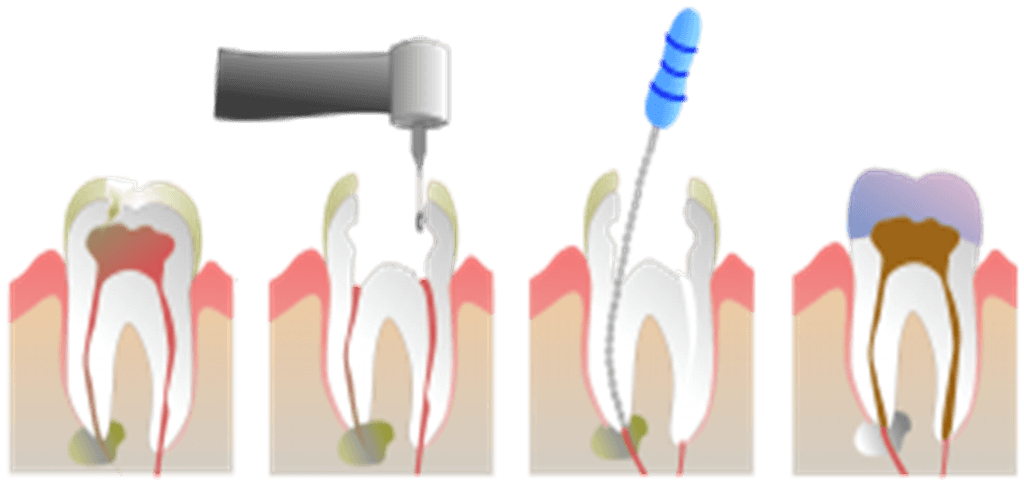
If deep decay or infection has reached the tooth pulp, a root canal can save your natural tooth, eliminate pain, and remove the source of infection that contributes to severe bad breath. Our team is experienced in performing these procedures with minimal discomfort.
Addressing Missing Teeth
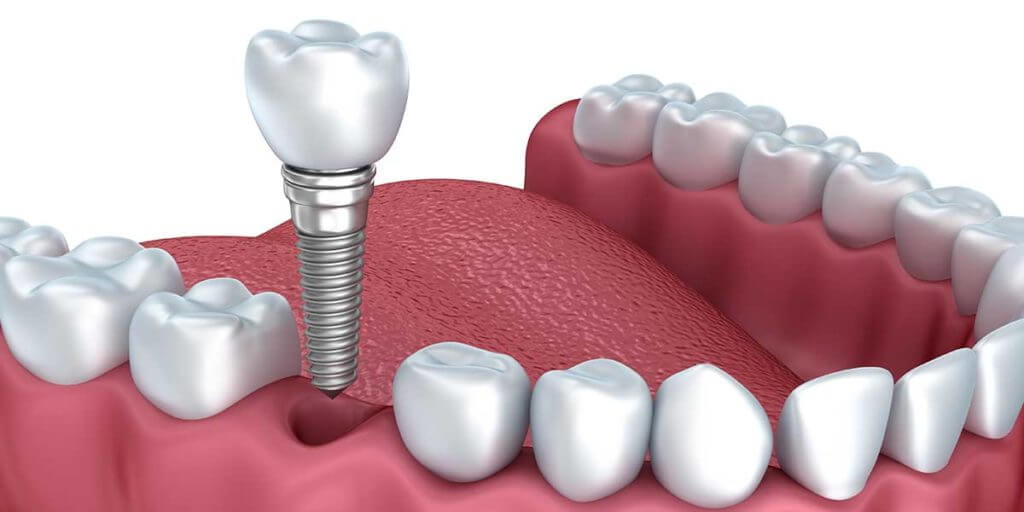
If tooth loss is contributing to your oral health issues and thus bad breath, we offer dental implants as a permanent, natural-looking solution that stimulates the jawbone and prevents further deterioration. We also provide dental bridges and dentures as other replacement options.
Oral Hygiene and Dietary Counselling
Our team provides personalized advice on effective brushing and flossing techniques, recommended oral hygiene products, and dietary choices that can help prevent bad breath and support overall oral health. We advise on limiting sugary and acidic foods and drinks, and the importance of hydration. We also strongly recommend avoiding smoking and tobacco products due to their significant negative impact on oral health and breath.
Advanced Technology for Your Comfort
My Dentist at Morgan Creek is committed to utilizing the latest dental technologies to enhance precision, reduce discomfort, and improve patient experience. This includes:
- 3D Sirona Imaging: Provides detailed, accurate views of your teeth and jaw for precise diagnosis and treatment planning, crucial for complex cases like dental implants or root canals.
- Rotary Endodontic Equipment & Apex Locators: Ensure more efficient and accurate root canal procedures, cleaning and shaping canals precisely.
- CEREC® CAD/CAM Technology: Allows us to fabricate custom ceramic crowns and implant abutments in a single appointment, enhancing efficiency and patient comfort. We were one of the first dental offices in Canada to introduce this in 2005.
- 3D Printing: Used to create customized surgical guides for highly accurate implant placement.
- The Wand Single Tooth Anaesthesia (STA) System: This computer-assisted technology delivers anaesthesia with remarkable precision and a gentle flow, minimizing discomfort and avoiding widespread facial numbness often associated with traditional injections. This is particularly beneficial for patients with needle phobia.
- iTero Lumina Scanner: Our top-of-the-line scanner takes beautiful, real-time intraoral pictures, detects caries, and eliminates the need for messy impressions, providing superior accuracy for treatments like Invisalign.
Your Trusted Partner in Oral Health
At My Dentist at Morgan Creek, your oral health is our top priority. Our caring and professional team, led by Dr. Madhvi Potluri, are dedicated to providing personalized, gentle care in a comfortable and friendly environment. We offer flexible appointment times, including evenings and Saturday appointments, to accommodate your busy schedule. We also provide clear, detailed estimates on treatment costs in writing and offer flexible financing options to make quality dental care accessible. Since 2001, we have proudly served the South Surrey / White Rock area, including North Grandview Heights, Morgan Heights, and Sunnyside, building a foundation of trust and healthy habits for lifelong dental health.

Don’t let bad breath undermine your confidence or compromise your health.
Schedule Your Consultation Today!
Take the first step towards a fresher breath and a healthier you. Contact My Dentist at Morgan Creek today to schedule a comprehensive dental examination and discuss your options. Our team is ready to provide you with the expert care and personalized solutions you deserve.
Call us at (604) 542-0123 or book an appointment online! Let’s work together to give you a healthy mouth and a confident smile that shines.
Frequently Asked Questions About Bad Breath
Q1. Can brushing and flossing alone always get rid of bad breath?
While consistent brushing twice a day and flossing daily are fundamental to preventing and reducing bad breath by removing plaque and food particles, they might not be sufficient if the bad breath is caused by underlying issues like deep cavities, gum disease, dry mouth, or systemic health conditions. In such cases, professional dental intervention is necessary to address the root cause.
Q2. Why does my bad breath seem worse in the morning?
Bad breath often seems worse in the morning due to reduced saliva flow during sleep, which allows bacteria to multiply and produce odour. Additionally, during the night, there are fewer distractions, making you more aware of any discomfort or pain, including toothaches that can be exacerbated by increased blood flow to the head when lying down. Late-night snacks or meals without proper brushing can also contribute.
Q3. Does mouthwash effectively treat bad breath?
Mouthwash can help reduce acid in your mouth, clean hard-to-reach areas, re-mineralize teeth if it contains fluoride, and freshen breath by killing odour-causing bacteria. However, mouthwash is not a substitute for brushing and flossing and should be used as an adjunct to your oral hygiene routine. For persistent bad breath, it’s crucial to identify and treat the underlying cause with a dentist.
Q4. Is bad breath a sign of a serious health problem?
Persistent bad breath can indeed be a symptom of more serious health issues, particularly gum disease. Untreated gum disease is linked to systemic conditions such as cardiovascular disease, increased risk of stroke, endocarditis, diabetic complications, respiratory problems, and even cognitive decline, like Alzheimer’s disease. Therefore, addressing persistent bad breath with a dentist is important for both oral and overall health.
Q5. How long does it take to cure chronic bad breath?
Treatment duration varies depending on the underlying causes. Simple cases involving improved oral hygiene may show improvement within weeks, while complex periodontal conditions may require several months of treatment and ongoing maintenance.