


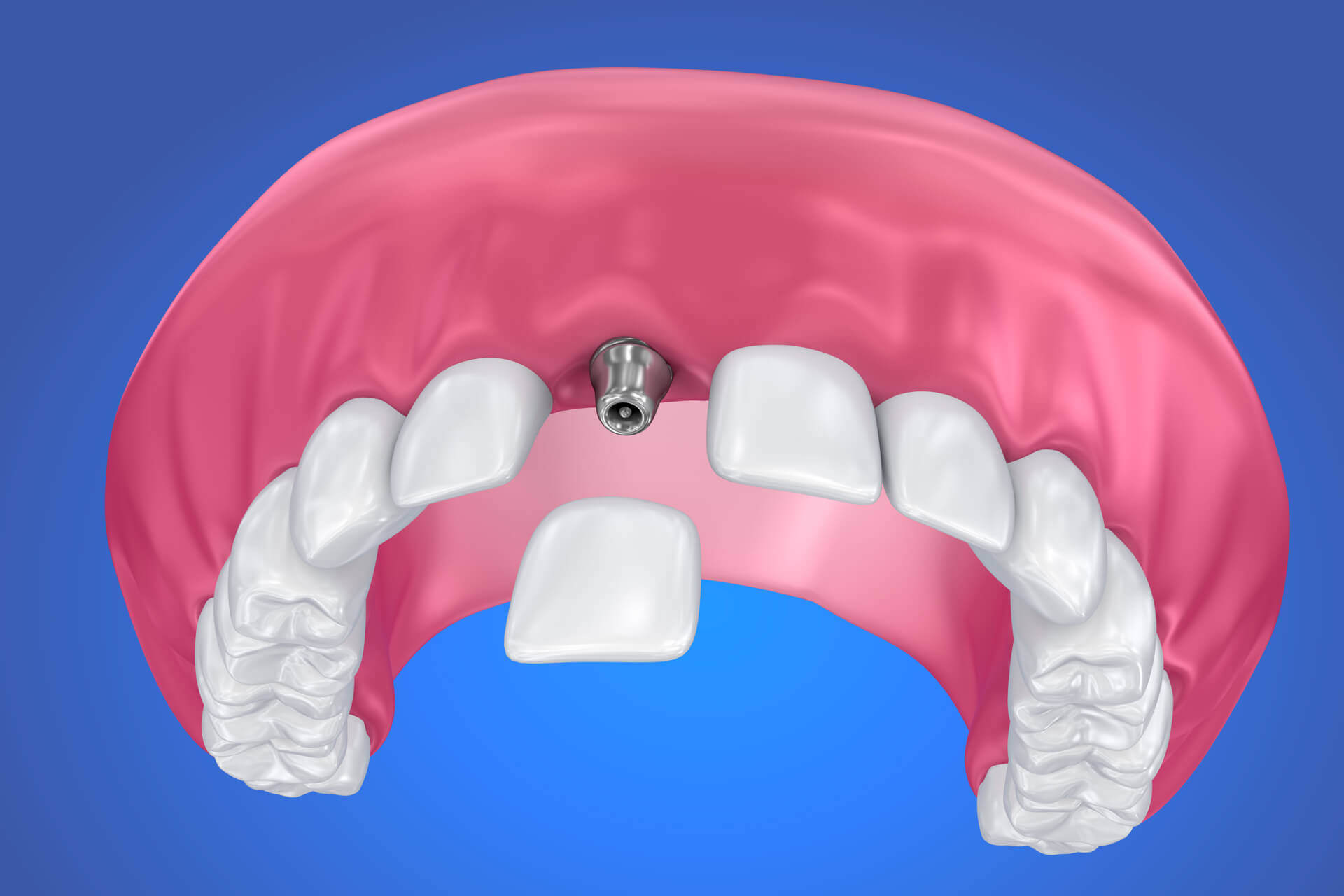
Dental implants have become one of the most popular replacement treatments for missing teeth. They are small titanium/metal screwlike post that replaces the roots of your missing or damaged tooth. The implant is surgically placed in the jawbone where you have a missing tooth directly in the jawbone. They can be used to replace a single tooth or support dentures and rebuild a person’s smile. However, even though dental implants are permanent tooth replacement solutions, they may not last forever. They have an estimated lifespan of about 25 years based on regular cleanings and home care practices. How long your dental implants last will depend on several factors.
Table of Contents
ToggleWhat Affects the Lifespan of Dental Implants
Just like your natural teeth, how long your dental implant last depends on your oral hygiene, how well you look after your teeth, and your overall health.
Oral Hygiene
One of the leading causes of implant failure is bacteria. Your dental implants won’t get cavities but bacteria can cause gum disease which can result in implant failure. That is why if you do have issues with gum disease, your dental implant specialist will insist that you treat your gum disease beforehand. There are procedures like bone and soft tissue grafts which can be used to ensure your jawbone and gums can support the implant.
To maintain optimal gum health you must follow your daily oral hygiene routine of brushing your teeth twice a day and flossing. By doing so, you will reduce the build-up of plaque and keep your gums healthy. If you are gums are healthy the titanium implant can last a lifetime. It is the ceramic crown that may need replacing due to normal wear and tear.
Lifestyle Choices
Most implant specialists will ask you to stop smoking before your implant procedure since it can affect its success. Therefore, when considering dental implants, you need to take into account your lifestyle choices since they can have an effect on how long your dental implants last.
Smoking
Dental implant treatment is a surgical procedure which means that for your implants to heal and fuse properly to your jawbone, you will need sufficient blood flow to the treated area and a strong immune system. If you smoke after your implant procedure, the nicotine will slow down your recovery since it reduces oxygen levels and blood flow.
Moreover, smoking can also increase bacterial plaque and infection due to your weakened immune system which can lead to gum disease which will prevent your implants from healing properly and prolong the healing process. You need to keep in mind that smoking has been found to increase bone loss, so if your jawbone deteriorates over time, your implants have a greater chance of failing.
Alcohol
Likewise, alcohol should be avoided for a few days after your implant procedure since it can interfere with the recovery and healing process. This is because alcohol thins the blood and makes it more difficult for blood to clot effectively and helps your gums to heal after your surgery. In addition, excessive drinking can result in dehydration, causing the tissues in your mouth to dry out and not be able to heal properly.
Chronic Health Issues
If you have chronic health issues like diabetes or a weakened immune system, your dental implant recovery and success can be affected. This is because such health issues can make you more vulnerable to infections and make it more difficult for you to recover and heal after your dental implant surgery. It’s also important to note that being able to manage your diabetes can determine whether your implant procedure will be successful since if you are unable to control it effectively, you may experience more infections which can lead to implant failure.
Consequently, it is highly advised that you inform your dental implant specialist of any health conditions or issues that you have and/or are being treated for. This information will help them determine whether implants are right for you and design a treatment plan that is specifically suited to you.
Accidents Causing Damage or Injury
Just like your natural teeth, dental implants are vulnerable to damage due to a sudden and powerful impact or improper use (i.e. cracking hard nuts or chewing on brittle objects). Your titanium implant is designed to be permanent but your ceramic dental crown can be damaged, however, you don’t have to worry about dental cavities.
If you want your dental implants to last as long as possible, you need to protect them. If you participate in contact sports, you should wear appropriate protection like a mouth guard and/or helmet. In the case where your dental crown becomes damaged, it may be repaired or replaced. There may be no need to replace the titanium root if it is not affected.
Choose Your Dental Implant Specialist Carefully
If you are interested in dental implants but have questions about what they are, how they work, or if they are right for you, arrange for a consultation at our South Surrey dental clinic today.
My Dentist at Morgan Creek offers implant dentistry services, same-day dental implants, same-day dentures, and Cerec® 1 Appointment crowns, for patients with busy schedules. We provide a range of implant dentistry services, such as full arch replacement with implant-supported dentures and implant-supported bridges, and single and mini dental implants. Other services include implant-supported crowns, guided implant surgeries, bone grafting, soft tissue grafting, sinus augmentation, and ridge modification procedures.
We have been providing dental implants for over 16 years in South Surrey and White Rock, BC. We receive many patient referrals for dental implants. Book your consultation online or call us at 604-542-0123 to find out what your options are.