



Dental health is a crucial aspect of overall well-being. Understanding common dental problems and how to prevent them can help maintain a beautiful smile and avoid costly treatments. Your “dentists near me” at My Dentist at Morgan Creek in South Surrey will help you explore the most common dental issues, their causes, and effective prevention strategies or treatments. By the end, you’ll have a thorough understanding of how to protect your dental health and why seeking professional care is essential.
Understanding Common Dental Problems
As we have discussed in a previous article “Why Oral Health Matters,” maintaining good dental health is essential for overall well-being, yet many individuals face various dental issues throughout their lives. From cavities to gum disease, understanding these common problems is the first step toward prevention and effective treatment. We will discuss the most prevalent dental concerns, exploring their causes, symptoms, and the best strategies to avoid them. By being informed, you can take proactive measures to protect your smile and ensure lasting oral health.
Tooth Decay
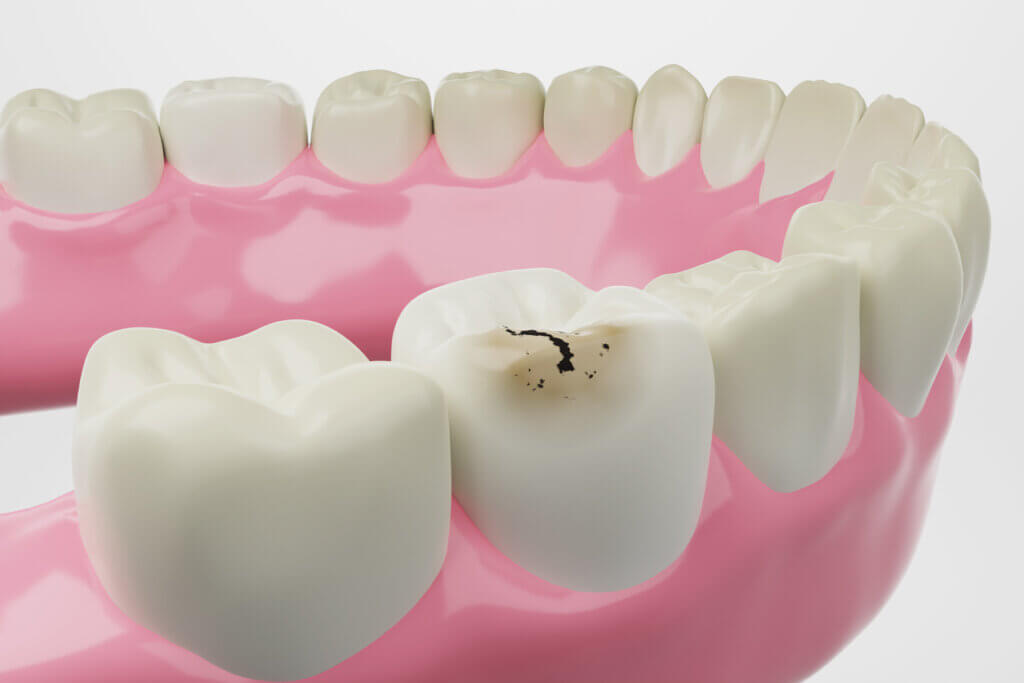
Tooth decay, also known as dental caries or cavities, is one of the most common dental problems faced by people of all ages. It occurs when bacteria in the mouth produce acids that erode tooth enamel, leading to holes in the teeth. According to the World Health Organization (WHO), globally, approximately 2 billion individuals are affected by cavities in their permanent teeth, while around 514 million children experience decay in their primary teeth. This widespread issue highlights the importance of understanding its causes and prevention methods.
Causes of Tooth Decay
- Poor Oral Hygiene: Inadequate brushing and flossing allow plaque buildup, which can lead to decay. Plaque is a sticky film of bacteria that forms on teeth and can harden into tartar if not removed.
- Sugary Diet: Frequent consumption of sugary foods and beverages feeds bacteria, increasing acid production. Foods high in sugar, such as candies, sodas, and pastries, are particularly harmful.
- Dry Mouth: Saliva helps neutralize acids; a lack of saliva can accelerate decay. Conditions like Sjögren’s syndrome or certain medications can lead to dry mouth.
Prevention Strategies
- Regular Brushing and Flossing: Brush twice a day with fluoride toothpaste and floss daily to remove plaque. Using an electric toothbrush can enhance your cleaning effectiveness.
- Healthy Diet: Incorporate a diet rich in vitamins and minerals, particularly calcium and phosphorus, which help strengthen teeth. Foods like dairy products, leafy greens, nuts, and fish are excellent choices.
- Limit Sugar Intake: Reduce sugary snacks and drinks, especially between meals. Opt for healthier alternatives like fruits, vegetables, and whole grains.
- Fluoride Treatments: Professional fluoride treatments can strengthen tooth enamel and help prevent decay. Your dentist can recommend the right frequency for these treatments based on your needs.
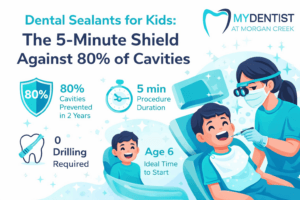
- Dental Sealants: Applying dental sealants to the chewing surfaces of back teeth can provide an additional barrier against cavities, particularly in children and teenagers.
- Regular Dental Checkups: Visit your dentist at least twice a year for professional cleanings and checkups. These visits can help catch early signs of decay before they become serious issues.
Gum / Periodontal Disease
Gum disease, or periodontal disease, begins with gingivitis and can progress to periodontitis, leading to tooth loss if untreated. It is a serious condition that affects the supporting structures of the teeth. Severe periodontal disease is estimated by WHO to impact approximately 19% of the adult population globally, which translates to over 1 billion cases worldwide. The primary risk factors for developing periodontal disease include poor oral hygiene and tobacco use. This highlights the importance of preventive measures and early intervention to deal with this dental problem.

Causes of Gum Disease
- Plaque Buildup: Plaque that is not removed can harden into tartar, irritating the gums and leading to inflammation.
- Smoking: Tobacco use is a significant risk factor for gum disease. It reduces blood flow to the gums, impairing healing and increasing susceptibility to infection.
- Hormonal Changes: Changes during puberty, menstruation, pregnancy, and menopause can affect gum health, making them more sensitive and prone to disease.
- Diet: A diet lacking in essential nutrients can weaken the immune system and impair the body’s ability to fight off infections, including gum disease.
- Diabetes: Individuals with diabetes are at a higher risk for gum disease due to compromised blood sugar control, which can affect the body’s ability to fight infections.
Prevention Strategies
- Maintain Good Oral Hygiene: Brush and floss regularly to keep gums healthy. Consider using an antibacterial mouthwash to further reduce plaque.
- Quit Smoking: Seek help to quit smoking to reduce the risk of gum disease. Support groups and cessation programs can be beneficial.
- Stay Hydrated: Drink plenty of water to help wash away food particles and bacteria, promoting a healthy oral environment.
- Balanced Diet: Consume a diet rich in vitamins and minerals to support gum health, including fruits, vegetables, and whole grains.
- Manage Diabetes: If you have diabetes, work closely with your healthcare provider to control your blood sugar levels, as good management can significantly reduce the risk of gum disease.
- Regular Dental Checkups: Schedule routine visits to your dentist for cleanings and examinations to detect early signs of gum disease and receive appropriate treatment.
Crooked Teeth
Crooked teeth, also known as misaligned teeth or dental malocclusion, can affect both the appearance of a smile and overall oral health. A Stanford University Press article states that data from 1998 indicates that approximately 20% of the U.S. population experiences significant malocclusion, with over half of these individuals requiring some form of orthodontic treatment.
Crooked teeth can lead to other dental problems like difficulties in chewing, increased risk of tooth decay, and gum disease due to challenges in maintaining proper oral hygiene.
Causes of Crooked Teeth
- Genetics: Many individuals inherit traits that contribute to misalignment, such as jaw size and tooth size.
- Early Loss of Baby Teeth: Losing baby teeth too early can lead to misalignment as permanent teeth may not have enough space to emerge properly.
- Thumb Sucking: Prolonged thumb sucking in childhood can affect the positioning of teeth and jaw development.
- Jaw Issues: Problems with jaw alignment can result in crooked teeth.

Treatment Options
- Braces: Traditional metal braces are a common method for straightening teeth over time.
- Clear Aligners: Invisalign® is a popular treatment option that uses a series of custom-made clear aligners to gradually shift teeth into the desired position. These aligners are virtually invisible, making them an appealing choice for adults and teens seeking a discreet orthodontic solution.
- Retainers: After braces or aligners, retainers help maintain the new position of teeth.
- Orthodontic Surgery: In severe cases, surgical intervention may be necessary to correct jaw alignment issues.
Tooth Sensitivity
Tooth sensitivity is characterized by discomfort or pain in the teeth when exposed to certain stimuli, such as hot, cold, or sweet foods. This is one of those dental problems that can significantly affect your quality of life.

Causes of Tooth Sensitivity
- Worn Enamel: Enamel erosion exposes the underlying dentin, leading to sensitivity. Factors contributing to enamel wear include acidic foods, aggressive brushing, and grinding teeth.
- Gum Recession: When gums recede, the roots of the teeth become exposed and sensitive. This can be caused by gum disease or aggressive brushing techniques.
- Cracked Teeth: Cracks can cause pain when pressure is applied. Cracked teeth may result from trauma, grinding, or biting down on hard foods.
Prevention Strategies
- Use Desensitizing Toothpaste: These products can help reduce sensitivity over time. Look for toothpaste containing potassium nitrate or strontium chloride.
- Avoid Acidic Foods: Limit consumption of acidic foods and drinks that can wear down enamel, such as citrus fruits, soda, and vinegar-based dressings.
- Wear a Mouthguard: If you grind your teeth at night, a mouthguard can protect against enamel wear and reduce sensitivity. Consult your dentist for a custom-fit option.
Bad Breath
Bad breath, or halitosis, can be embarrassing and is often a sign of underlying dental problems. It can affect social interactions and self-esteem.
Causes of Bad Breath
- Poor Oral Hygiene: Inadequate brushing and flossing can lead to the buildup of food particles and bacteria, resulting in unpleasant odours.
- Dry Mouth: A lack of saliva can contribute to bad breath. Conditions like xerostomia can exacerbate this issue.
- Certain Foods: Foods like garlic and onions can temporarily cause bad breath due to their strong odours. Additionally, high-protein diets can also lead to halitosis.
Prevention Strategies
- Practice Good Oral Hygiene: Brush and floss regularly to eliminate food particles and bacteria. Don’t forget to brush your tongue, where bacteria can accumulate.
- Stay Hydrated: Drink water throughout the day to keep the mouth moist and help wash away food particles and bacteria.
- Use Mouthwash: An antibacterial mouthwash can help reduce bad breath and provide a fresh feeling. Look for mouthwashes that contain chlorhexidine or cetylpyridinium chloride.
Oral Cancer
According to research, oral cancer ranks as the sixth most prevalent cancer globally. In 2020, it was responsible for approximately 377,713 new cases and led to 177,757 deaths. This marks an increase in new cases and deaths compared to 2018. The rising incidence of oral cancer underscores the importance of early detection and awareness of risk factors associated with the disease.
Risk Factors for Oral Cancer
- Tobacco Use: Smoking and chewing tobacco significantly increase the risk of developing oral cancer. Tobacco products contain carcinogenic substances that damage cells.
- Alcohol Consumption: Heavy alcohol use is another risk factor. The combination of alcohol and tobacco increases the risk even further.
- HPV Infection: Certain strains of the human papillomavirus are linked to oral cancer. Practising safe sex and getting vaccinated can reduce this risk.
Prevention Strategies
- Avoid Tobacco and Limit Alcohol: Reducing or eliminating these substances can lower your risk of oral cancer. Seek support if you need help quitting.
- Regular Dental Checkups: Dentists can screen for early signs of oral cancer during routine exams. Early detection can significantly improve outcomes.
- Healthy Diet: A diet rich in fruits and vegetables may help reduce the risk of oral cancer. Foods high in antioxidants can protect against cellular damage.
Take Charge of Your Dental Health
Maintaining optimal dental health requires proactive measures and awareness of common dental problems. By implementing effective prevention strategies and seeking regular dental care, you can significantly reduce your risk of developing these issues. Remember, prevention is always better than cure.
Contact My Dentist at Morgan Creek in South Surrey / White Rock
If you are experiencing any dental problems or wish to learn more about maintaining your oral health, contact My Dentist at Morgan Creek today. Our experienced team is dedicated to providing you with personalised care and the best solutions for your dental needs. Trust us to help you achieve and maintain a healthy, beautiful smile!
Since 2001, we have been serving patients in the South Surrey / White Rock area, including North Grandview Heights, Morgan Heights, and Sunnyside. You can call us at 604-542-0123 or book an appointment online. We are conveniently located at 15252 32 Ave #110, South Surrey, opposite Fire Service Hall 17 on 32nd Avenue, minutes away from Vancouver – Blaine Hwy.
We look forward to welcoming new patients and their families to our practice!