


Wisdom teeth, or third molars, often become a source of discomfort and concern for many individuals as they reach their late teens or early twenties. For some, these teeth can lead to complications that necessitate oral surgery. Understanding the issues associated with wisdom teeth and the solutions available can empower you to make informed decisions about your oral health. We’ll explore the common problems linked to wisdom teeth, the oral surgery process, and answer frequently asked questions to help you navigate your wisdom teeth extraction journey with confidence.
What Are Wisdom Teeth?
Wisdom teeth are the last set of molars that typically emerge between the ages of 17 and 25. While they were once essential for our ancestors who had a tougher diet, modern diets, and better dental care have rendered them largely unnecessary for most people.

Common Issues Associated with Wisdom Teeth
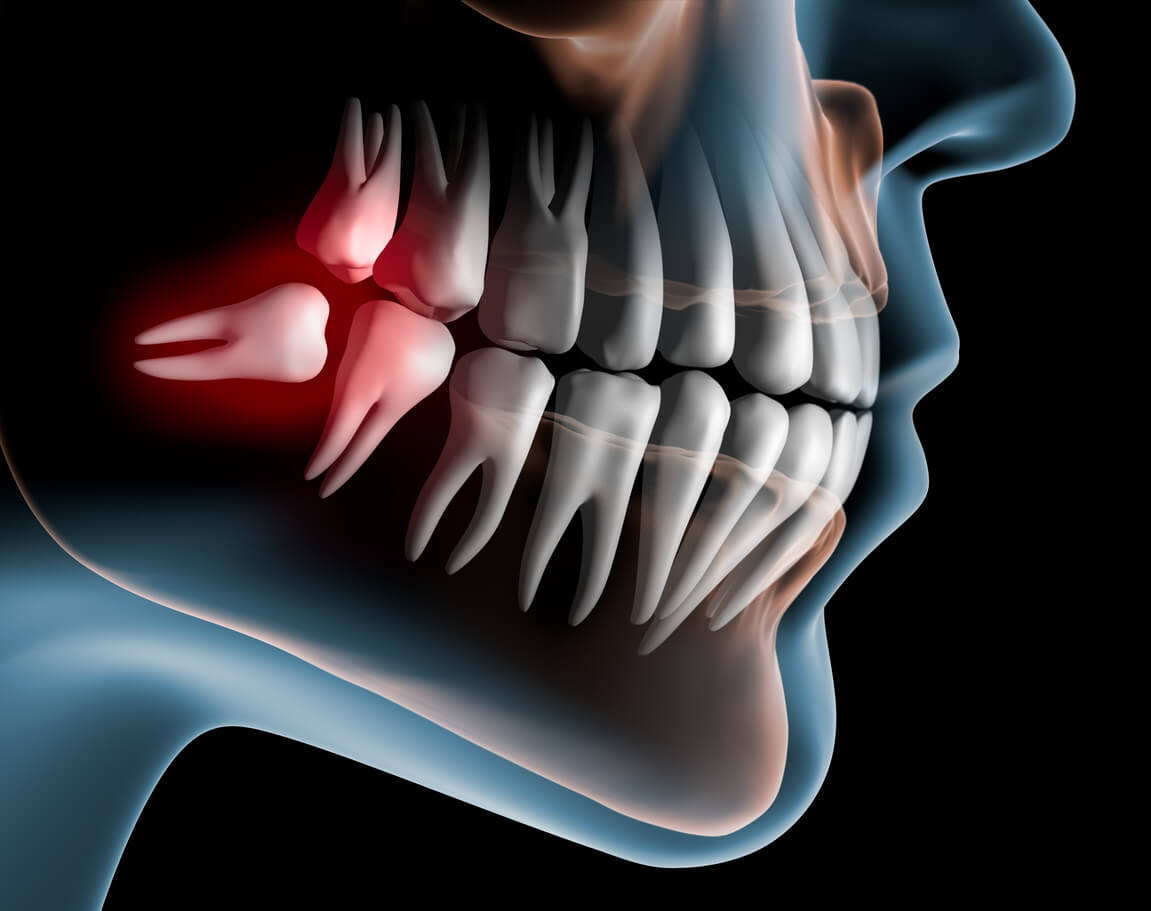
Wisdom teeth often erupt in a crowded oral cavity, lacking adequate space for proper growth. This spatial constraint can lead to a cascade of complications:
- Pain and discomfort: Pressure on surrounding teeth or nerves can lead to persistent or recurring pain.
- Infection: Partially erupted wisdom teeth create hard-to-clean areas that become breeding grounds for bacteria, leading to infections like pericoronitis. The spread of infection to other parts of the body is rare, but possible.
- Angulation: Wisdom teeth can erupt at various angles. If they grow horizontally, they can impact adjacent teeth, whereas if they grow straight up or down, potentially they can damage the roots of neighboring molars. There is also the possibility of growing towards the front of the mouth, causing misalignment and potential bite problems.
- Damage to adjacent teeth: Impacted wisdom teeth can push against neighboring teeth, causing crowding, shifting, and even damage.
- Cysts and tumors: Fluid-filled sacs (cysts) can develop around impacted wisdom teeth, potentially damaging the jawbone and surrounding structures.
- Eating Difficulties: An impacted wisdom tooth can result in difficulties with chewing and speaking.
When Is Wisdom Teeth Extraction Necessary?
If you experience any of the issues we mentioned, tooth extraction may be necessary. Ignoring these problems can lead to more severe complications, such as infections or damage to neighboring teeth. Consequently, many dental professionals recommend evaluating wisdom teeth in the late teens. Early intervention can prevent more complex issues down the line. By monitoring their development through regular dental check-ups, you can catch potential problems before they escalate.
What Happens During Wisdom Teeth Extraction?
Wisdom tooth extraction is an oral surgery procedure performed under local anesthesia to numb the area. In some cases, sedation may be used to ensure patient comfort. The steps involved in a wisdom tooth extraction are:
- Anesthesia: Local anesthesia is administered to numb the area around the wisdom tooth.
- Incision: A small incision may be made in the gum tissue to access the impacted tooth.
- Tooth Removal: The tooth may be removed whole or sectioned into smaller pieces for easier extraction.
- Stitches: Dissolvable stitches may be placed to close the incision and promote healing.
- Gauze and Instructions: You’ll be given gauze to control bleeding and detailed aftercare instructions.
Benefits of Wisdom Teeth Extraction
Naturally, removing problematic wisdom teeth prevents infections, decay, and gum disease. It ensures a healthier mouth for years to come. It can also alleviate pain, swelling, and jaw stiffness and restore your quality of life. What’s more, without overcrowded or impacted wisdom teeth, brushing and flossing become much simpler, reducing the risk of decay and gum disease. As a result, you will be able to avoid complications which will save you from costly treatments later. Investing in the extraction of problematic wisdom teeth is a proactive step toward your oral health.
What is the Recovery Process Like?
Following a wisdom tooth extraction, you can expect some swelling, discomfort, and minor bleeding. These symptoms usually subside within a few days. Your dentist will provide you with instructions for managing pain, swelling, and promoting healing.
Important recovery tips include:
- Rest: Avoid strenuous activity for the first 24 hours.
- Ice Packs: Apply ice packs to the affected area to reduce swelling.
- Soft Foods: Stick to soft foods like soup, yogurt, and smoothies.
- Oral Hygiene: Gently brush and floss your teeth, avoiding the extraction site.
- Medications: Take prescribed pain relievers as directed.
Addressing Potential Concerns: Dry Socket and Nerve Injury
Two common concerns associated with wisdom teeth extraction are dry socket and nerve injury.
Dry Socket
Dry socket occurs when the blood clot protecting the extraction site dislodges prematurely, exposing the underlying bone. It can cause intense pain and delay healing. While dry socket typically heals on its own, your dentist can provide treatment to expedite the process and minimize discomfort.
Nerve Injury
The nerves that provide sensation to the tongue and lower lip are located near the wisdom teeth. In rare cases, these nerves can be injured during extraction. This can cause temporary or, in very rare instances, permanent numbness or tingling. While most nerve injuries resolve on their own, it’s important to consult your dentist promptly if you experience any unusual sensations following the procedure.
Frequently Asked Questions About Wisdom Teeth Extractions
Q1. How long does the extraction procedure take?
The duration of the procedure varies depending on the complexity of the extraction. Simple extractions can take a few minutes, while more complex cases may require an hour or more.
Q2. Is Wisdom Teeth Removal Painful?
Modern dental techniques and anesthesia options ensure minimal discomfort during the procedure. Mild soreness or swelling afterward is normal and manageable with pain relievers.
Q3. Can All Four Wisdom Teeth Be Removed at Once?
Yes, removing all four at once is common and reduces the need for multiple procedures. While this approach may result in a slightly longer recovery, it minimizes the overall time spent undergoing surgery.
Q4. Will I need stitches?
Whether or not stitches are needed depends on the size and location of the incision made during the extraction.
Q5. What kind of anesthesia is used?
Local anesthesia is typically used to numb the area around the tooth. Sedation options are available for patients who experience dental anxiety.
Q6. When can I resume normal activities?
Most patients can return to work or school within a day or two, but strenuous activity should be avoided for a few days.
Why Choose My Dentist at Morgan Creek for Your Wisdom Teeth Extraction?
Our team of dentists at My Dentist at Morgan Creek is your trusted destination for wisdom teeth extractions in South Surrey and White Rock. Here’s why:
- Experienced Oral Surgery Team: Our team of experienced general dentists is well-equipped to handle most wisdom teeth extractions.
- Advanced Technology: We utilize the latest dental technology, including digital x-rays, 3D imaging, and the iTero Lumina™ scanner, to ensure precise and comfortable procedures. The iTero scanner performs a quick and accurate digital scan, providing detailed 3D images of your teeth and jaw. This technology assists in precise treatment planning, reducing the risk of complications.
- Patient Comfort: We prioritize patient comfort and offer sedation dentistry options for those who need it. Our commitment to gentle dentistry extends to the use of the STA Wand for painless anesthesia injections. This computer-assisted technology minimizes discomfort and eliminates the “bee sting” sensation associated with traditional injections.
- Comprehensive Care: We provide detailed aftercare instructions and are available to address any concerns during your recovery.

Schedule Your Wisdom Teeth Extraction Consultation Today
Don’t let wisdom teeth problems disrupt your life. Contact My Dentist at Morgan Creek to schedule a consultation today. Our team will assess your situation and recommend the best course of treatment to restore your oral health and give you a confident smile.