



Unfortunately, stress is a part of our everyday life. While a moderate level of stress can be beneficial, chronic stress can have a negative impact on our health. One area where stress can have a significant impact is our oral health. Consequently, it is important to understand this link and find ways to manage stress to protect our oral health. Our South Surrey dentist at My Dentist at Morgan Creek would like to address stress and its effects on oral health and share with you some tips to manage stress and prevent dental problems.
Table of Contents
ToggleUnderstanding Stress and Its Impact on Oral Health
Stress is a response to a perceived threat or challenge. It triggers the release of hormones such as cortisol and adrenaline, which can have a negative impact on your body. Chronic stress can weaken your immune system, increase inflammation, and affect your oral health.
Stress can have a significant impact on our overall health, including our oral health. When we experience stress, our body releases hormones such as cortisol and adrenaline, which can cause a range of physical reactions. According to the American Institute of Stress, in terms of oral health, stress can lead to a number of problems. For example, it can increase the likelihood of grinding, also known as bruxism, or clenching our teeth, which can lead to tooth damage or jaw pain.
Stress can also weaken our immune system, making us more susceptible to gum disease and other oral infections. Additionally, stress can affect our diet and oral hygiene habits, leading to an increase in sugar consumption or a decrease in brushing and flossing frequency.
To maintain good oral health, it is important to manage stress through techniques such as exercise, relaxation, and seeking support from friends or professionals. Regular dental checkups and cleanings can also help identify and treat any stress-related oral health problems early on.
Dental Problems That Can Result From Stress
Stress can cause a variety of dental problems, including:
Bruxism (Teeth Grinding)
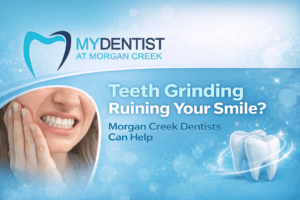
Bruxism is basically the unconscious grinding, gnashing, or clenching of your teeth. If you have bruxism, you may unconsciously clench your teeth when you’re awake, or clench or grind them during sleep.
Stress is one of the most common causes of bruxism, although there can be other factors involved as well. When we experience stress, our bodies release various hormones, including adrenaline and cortisol, which can cause our muscles to tense up. This tension can affect the muscles in the jaw, leading to clenching and grinding of the teeth.
In some cases, bruxism can become a habit even after the stressful situation has passed, as the body has learned to associate stress with teeth grinding. In such cases, treatment may be required to break the habit and prevent further damage to the teeth and jaw.
Temporomandibular Joint Disorder (TMD)
Temporomandibular Disorder (TMD) is a condition that affects the joints and muscles that control jaw movement. Stress is one of the many factors that can contribute to the development of TMD. When we experience stress, our bodies may tense up, and this tension can affect the muscles in the jaw, leading to discomfort and pain in the temporomandibular joint. Stress can also cause us to clench or grind our teeth, which puts extra pressure on the joint and can lead to inflammation and pain.
It’s important to note that stress is not the only factor that can contribute to TMD, and the condition can also be caused by other factors such as misaligned teeth, injury, or arthritis.
Gum Disease
Stress is one of the many factors that can contribute to the development and progression of gum disease. When you experience stress, your body release hormones such as cortisol, which can weaken the immune system making it more difficult for your body to fight off infections. This can make you more susceptible to gum disease.
Additionally, stress can cause us to neglect self-care activities such as brushing and flossing regularly or visiting the dentist for checkups, which can increase the risk of gum disease. Stress can also lead to unhealthy habits such as smoking, which is a known risk factor for gum disease.
It’s important to note that stress is not the only factor that can contribute to gum disease, and the condition can also be caused by factors such as poor oral hygiene, genetics, and certain medications.
Canker Sores
Stress is one of the main reasons you can experience canker sores. As we have mentioned, when you are under stress, your body produces a hormone called cortisol, which can weaken your immune system and make you more susceptible to infections, including those that cause canker sores. What’s more, clenching or grinding your teeth due to stress can irritate the soft tissues and trigger the development of canker sores.
Dry Mouth
You probably noticed that often when you are under stress your mouth gets dry. This is because cortisol can cause a decrease in saliva production. Additionally, stress can cause changes in breathing patterns, such as breathing through the mouth instead of the nose, which can also contribute to dry mouth. Moreover, if you suffer from chronic stress and are taking medication to combat it, your medication may cause in dry mouth.
Tooth Decay
Since stress can cause all the above-mentioned conditions, it actually increases your risk for tooth decay. For example, the decrease in saliva caused by dry mouth can increase your chances of tooth decay since saliva plays an important role in maintaining oral health by helping to wash away bacteria and neutralize acids in the mouth.
Furthermore, changes in eating habits and oral hygiene habits caused by stress can make you more susceptible to tooth decay since you might find comfort in consuming more sugary or acidic foods and neglecting to brush and floss regularly.
Tips to Manage Stress and Maintain Your Oral Health
Managing stress can be challenging, but it is essential to maintain good oral health and your overall health as well. Our dentists would like to share some practical tips to help you manage stress and maintain your oral health:
- Practice good oral hygiene by brushing your teeth twice a day, flossing daily, and using an anti-bacterial mouthwash to keep your mouth healthy.
- Eating a healthy balanced diet can help reduce stress and improve your oral health. Avoid sugary and acidic foods and drinks that can damage your teeth.
- By exercising regularly and taking part in physical activities, you can reduce stress and improve your overall health.
- Try to get enough sleep (about 8 hours each night) because lack of sleep can increase stress levels.
- Practice relaxation techniques such as deep breathing, yoga, meditation, and others to help you reduce stress and protect your oral health.
- It’s also a good idea to seek professional help if you are experiencing chronic stress.
Don’t Underestimate the Effects of Stress
Stress can have a significant impact on your oral and overall health. By understanding the connection between stress and dental problems, and by following the tips provided we provided, you may be able to manage stress and maintain good oral health. Remember to practice good oral hygiene, eat a healthy diet, exercise regularly, get enough sleep, practice relaxation techniques, and seek professional help if needed.
By implementing these tips, you can protect your oral health and reduce the negative impact of stress on your overall health. Keep in mind that regular dental check-ups and cleanings are essential for everyone. Regular dental exams and cleanings, once every six months help protect your health and reduce your risks of systemic diseases. Consulting your dentist at My Dentist at Morgan Creek in South Surrey will help you maintain your oral health all year round.
Our dentists are genuinely concerned about every patient’s dental health and well-being. This makes them one of the favourite dentists for many in South Surrey and White Rock, BC. Call us at 604-542-0123 or contact us online to book your appointment today!