


You probably know or have heard that dental implants are one of the best ways to keep your teeth and smile healthy for life. Instead of relying on removable dentures or bridges that can shift or even fall out, dental implants are the ideal solution if you want to have natural-looking, long-lasting replacements for your missing teeth. But why do you need them? And how do you get them? As a South Surrey dental implant provider for over 16 years, we have successfully installed hundreds of implants and are constantly answering questions about them. We’d like to share with you some of the most frequently asked questions about dental implants in order to help you learn more about them and decide if they are the right option for you.
Some of the Most Important FAQs about Dental Implants
What are Dental Implants?
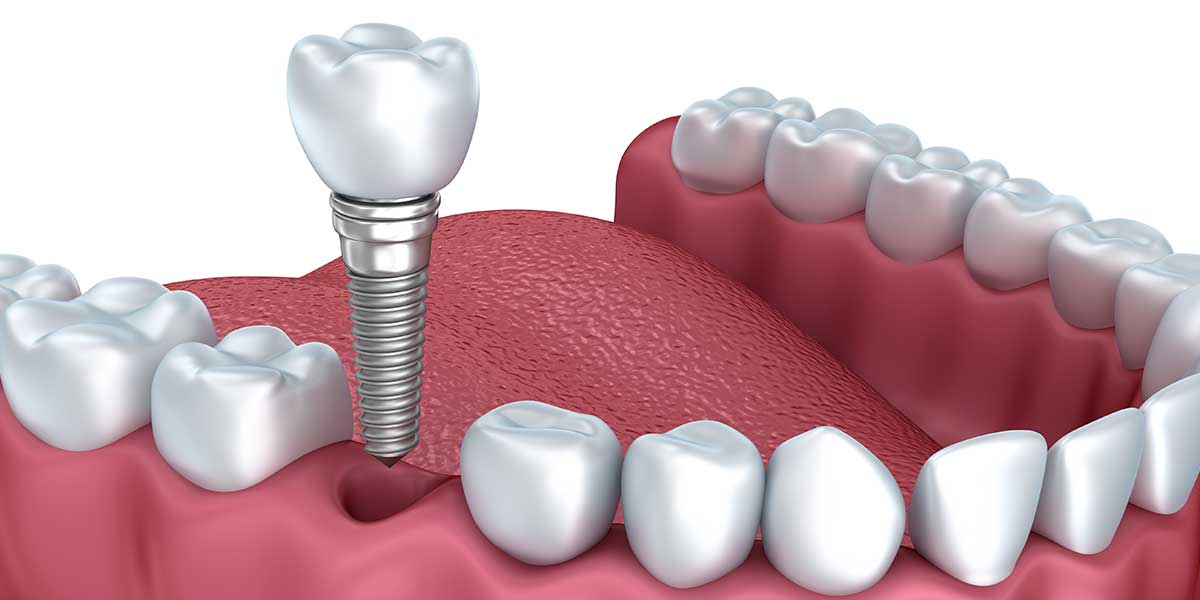
Without going into too much detail and technical descriptions, dental implants are permanent replacements for missing teeth. An implant is a small titanium/metal screwlike post that replaces the roots of your missing or damaged tooth. The implant is surgically placed in the jawbone where you have a missing tooth and is usually given a few months to heal. As the area heals, the bone grows and surrounds the implant to create a strong anchor for a dental crown.

Will I be without Teeth for a While If I Undergo the Implant Procedure?
During the preliminary restoration period, you may need to wear dentures or dental bridges over the implants as the bone grows around them and the healing process is completed. Your temporary teeth may be made before the removal of your damaged/decaying teeth if tooth removal is required.
Are Dental Implants as Strong as my Natural Teeth?
Well, implants are as strong, and in many cases, they are actually considered stronger than natural teeth and provide full functionality. After your dental implant treatment, you can enjoy all of your favorite foods while benefiting from healthy, aesthetically-pleasing prosthetic replacement teeth.
What Are The Benefits Of Implant Dentistry?
- Enjoy your favourite foods without any issues.
- Replace removable full and partial dentures with fixed bridgework.
- Improve your appearance.
- Increase your self-confidence.
- Prevent further bone loss due to lack of bone stimulation.
Am I A Candidate For Dental Implants?
Dental implants are ideal for patients who have healthy gums, good oral health, and have cracked, decayed, or missing teeth. You should also have enough bone density to securely anchor the implant. It is also recommended that you are a non-smoker with good oral hygiene habits.
If you have gums that are extremely diseased, dental implants may not be the best option for you. In those cases, it’s best to wait until your gums and general oral health are healthy enough for implants.
How Successful Are Dental Implants?
The most recent research reported a 97% success rate after a 10-year period. However, the success of dental implant treatment can depend on a number of factors, including your general health, how good you are at maintaining your oral hygiene, the health of the surrounding tissue, the quality of the implant, and the experience/skills of your implant surgeon.
What is the Process of Placing a Dental Implant?
The process begins with:
- A tooth extraction if you have to have a damaged/decaying tooth removed.
- Your jawbone is prepared to ensure it can support the implant. If it can’t then a bone graft may be needed.
- The implant is placed in the gum by your implant specialist.
- The gum healing process takes place (this could take several months). During this time, the implant and gum tissue bond together, which allows the gum tissue to form a socket around the implant.
- The abutment is attached to the implant.
- The dental crown is placed on the abutment.
How Long Does it Take to Get Dental Implants?
It’s difficult to say how long it can take since the treatment may depend on various factors. For someone who has no issues and it will be a straightforward replacement, it can take several months. However, if you have to deal with the removal of infected teeth and gum disease or injuries, it can take longer (up to a year). Also, if bone grafts are required to strengthen your jawbone, it will take additional time. The length of the treatment also depends on the number of implants and their location in the mouth. Consequently, how long the procedure will take depends on your specific situation. You will be informed about the time it will take during your examination and consultations with your dental implant specialist.
How Long Will It Take to Get Used to My New implant?
Dental implants will function just like your natural teeth, so unlike dentures, you will get used to them quite quickly. Most implant patients report that they are able to talk and eat naturally within a couple of weeks.
What Are the Do’s and Don’ts After My Dental Implant Procedure?
This is a broad question about dental implants. The best way to answer it would be to tell you that initially, your dentist will provide you with instructions to help the healing and recovery process. The instructions may have to do with practicing gentler oral hygiene and what you should eat and drink. The special instructions may be for the first 24-48 hours following your surgery. During this time, you should eat soft foods at room temperature and avoid hot drinks.
Dental implant patients should strive to improve their oral health and maintain a healthy diet and lifestyle, especially after surgery. After dental implant surgery, you may experience changes in your bite and oral hygiene habits. You should be understanding of these changes, and try to maintain good oral health, and if you are a smoker, it would be helpful to quit smoking.
In addition to taking care of your oral health, you should do the following things to ensure dental implant success:
- Brushing their teeth at least twice a day with a soft-bristled toothbrush and low-abrasive toothpaste;
- Brushing under and around the implant crown;
- Cleaning hard-to-reach teeth by using nylon-coated interdental brushes;
- Flossing daily using unwaxed tape or implant-specific floss prior to brushing;
- Using a Waterpik or oral irrigator to remove as much plaque and food debris as possible;
- Booking checkups every six months; and
- Visiting My Dentist at Morgan Creek when they notice the first sign of a possible infection around their dental implants.
Is Age a Factor Affecting Dental Implants?
In order for a young person to consider dental implants, his or her jaw must be fully developed, which usually happens in early adulthood. Undergoing a dental implant procedure before the full development of the jaw increases the possibility of treatment failure.
There is no reason to believe that dental implants become less successful as you age. In fact, the success rate for dental implants does not decrease as you get older – procedures can be successful for individuals in their 80s or even 90s. If there are no health issues that could affect the success of the procedure and the jawbone is thick enough to support an implant, then there is no upper age limit.
How Long Can My Implants Last?
There is no definitive answer to this question. Implants are permanent solutions to missing teeth. For some implant patients, they can last 20 – 30 years with proper care. For some, they can even last a lifetime. However, how long implants last depends on oral hygiene, gum health, general health, medications you take, injuries/damage, and lifestyle choices, including smoking or alcohol use.
Is Treatment Available For Failed Implants?
Even though implant failure is rare, peri-implantitis, failed osseointegration, or a crack in the implant or abutment can be issues that result in a failed implant. Your dentist or implant specialist may be able to save your implant without removing it, unless it is damaged so then it must be replaced. What’s more, if insufficient jawbone tissue was the reason for the failure, you may need a bone graft before your dentist can replace the post. The key is to ensure that your implant is installed correctly by an experienced dentist or periodontist who uses quality implants. Naturally, you also need to practice proper oral hygiene to protect it in order to avoid failure.
Book Your Dental Implant Consultation
Dental implants are one of the most advanced dental treatments available today. They allow patients to replace missing teeth with fully functional artificial teeth, significantly improving the way they eat and smile. If you are interested in dental implants but have questions about what they are, how they work, or if they are right for you, arrange for a consultation at our South Surrey dental clinic today.
My Dentist at Morgan Creek offers implant dentistry services, same-day dental implants, same-day dentures, and Cerec® 1 Appointment crowns, for patients with busy schedules. We provide a range of implant dentistry services, such as full arch replacement with implant-supported dentures and implant-supported bridges, and single and mini dental implants. Other services include implant-supported crowns, guided implant surgeries, bone grafting, soft tissue grafting, sinus augmentation, and ridge modification procedures.
We have been providing dental implants for over 16 years in South Surrey and White Rock, BC. We receive many patient referrals for dental implants. Book your consultation online or call us at 604-542-0123 to find out what your options are.